In London, we must hold a Gas Safety Certificate London (CP12) if we’re landlords, managing agents, short‑let hosts, HMO or social providers, or commercial duty holders. Renew annually from the last check date and keep records two years. A Gas Safe engineer verifies appliances, flues, and pipework: combustion, burner pressure, gas rate, ventilation, tightness, and pressures, noting defects and remedies. Prepare access, power, manuals, and clearances. Non‑compliance risks penalties choose a verified Gas Safe engineer. Next, we outline scope, procedures, and scheduling.
Key Takeaways
- Landlords and managing agents in London must obtain a Gas Safety Certificate (CP12) for all fixed gas appliances in rental properties.
- CP12 checks include appliance operation, combustion quality, ventilation, flues, and pipework tightness to ensure safe performance.
- Certificates must be renewed every 12 months from the last check; keep records for at least two years.
- Prepare by ensuring access, clearing 1 m around appliances, providing power, gas supply, and previous certificates/manuals.
- Only use Gas Safe registered engineers; verify ID, qualifications, insurance, and schedule inspections 2–4 weeks in advance.
Table of Contents
Who Needs a Gas Safety Certificate in London
Although requirements vary by scenario, anyone responsible for gas appliances or pipework in a property primarily landlords and managing agents needs a valid Gas Safety Certificate London (CP12) in London. Under a concise Gas regulations overview, the duty holder is the person or entity in control of installation and maintenance. That includes private landlords, social housing providers, student accommodation operators, HMOs, serviced apartments, and short‑let hosts when gas is present. Commercial freeholders and facilities managers overseeing gas systems are also within scope.
Certificate importance is operational and legal: it verifies an engineer has assessed appliances, flues, and pipework for combustion safety, ventilation, pressure stability, and leak integrity. Tenant responsibilities include allowing access for inspections, reporting faults promptly, and using appliances as instructed. We must retain records and provide copies to occupants.
How Often You Must Renew Your CP12
In the UK, we must renew a Gas Safety Certificate (CP12) every 12 months, measured from the date of the last safety check, not the certificate issue date. That renewal frequency preserves certificate validity without gaps and keeps us compliant. We should schedule the next inspection no later than the anniversary of the last check and retain records for at least two years.
Renew CP12 every 12 months from the last safety check; schedule by the anniversary and keep records two years.
- Set digital compliance reminders 10–12 weeks before expiry to secure engineer availability.
- Align tenancy turnarounds with CP12 dates to avoid access delays and missed deadlines.
- Verify the inspection date printed on the record; use it to calculate the next due date precisely.
- Maintain a central log of properties, appliances, and expiry dates to manage renewals at scale.
Missed renewals risk enforcement action and insurance complications.

What a Gas Safe Engineer Is Legally Required to Check
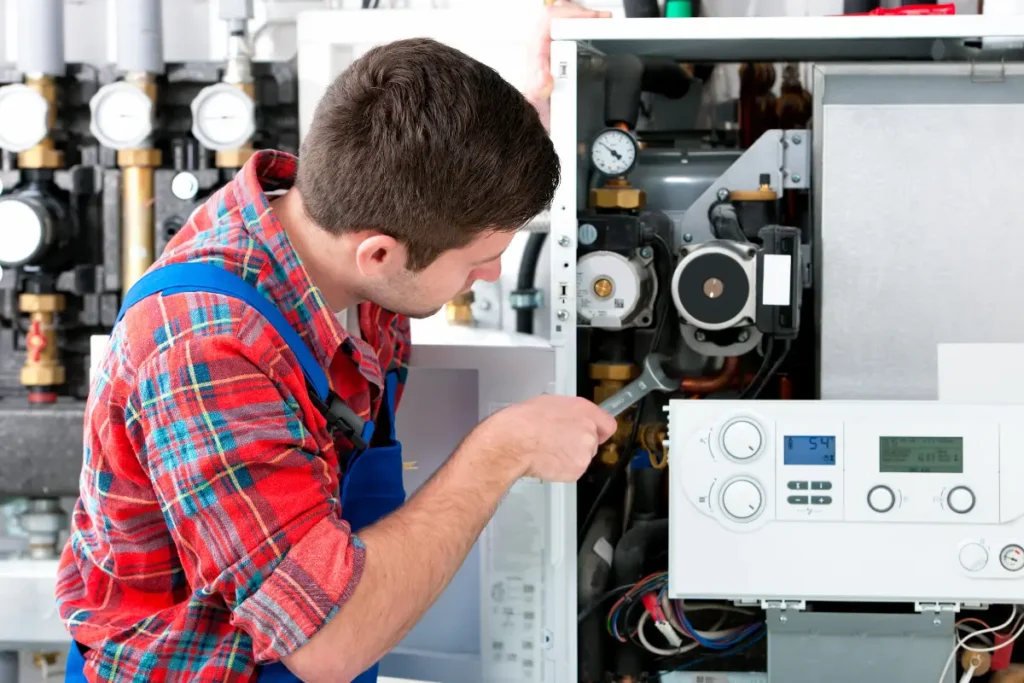
Because compliance hinges on specific checks, a Gas Safe engineer must verify that every gas appliance and flue is safe and operating correctly, record the results, and identify defects against current regulations. We follow gas safety regulations that mandate confirmation of correct gas rate and burner pressure, satisfactory combustion (including flue integrity and spillage tests), adequate ventilation, and stable operating pressures.
We check emergency controls, appliance isolation, flame supervision devices, and safety interlocks. We assess tightness of the installation pipework, regulator settings, and meter operation, and we test for gas escapes. We also confirm correct installation clearances and secure mounting. Engineer qualifications dictate adherence to approved inspection procedures, calibrated instruments, and traceable documentation. Non-compliances are classified, documented, and communicated with required remedial actions.
Appliances Covered During the Inspection
While the exact inventory varies by property, our gas safety inspection typically covers all fixed gas appliances and their associated flues: boilers (combi, system, and regular), gas fires, water heaters, warm air units, and gas cookers/hobs. We document appliance types, confirm installation integrity, and verify operation against current safety standards. We also check manufacturer data plates and accessibility for servicing, aligning our inspection frequency with annual certification requirements.
- Boilers: assess burner ignition, flame picture, case seals, and safety lockouts; confirm correct operating pressures.
- Gas fires: verify combustion quality, appliance controls, and secure mounting; test flame supervision devices.
- Water heaters and warm air units: evaluate thermostat response and overheat protection circuitry.
- Cookers/hobs: check stability devices, ignition systems, and gas rate to manufacturer specifications.
Pipework, Flues, and Ventilation Assessments
Although appliances draw attention, we treat the integrity of pipework, flues, and ventilation as core safety controls. We verify pipework integrity with visual tracing, tightness testing, and meter/regulator checks, ensuring no corrosion, mechanical damage, or unsupported spans. We confirm flue functionality via continuity, termination, and spillage/draft tests, validating correct materials, joints, and clearances. We assess ventilation efficiency by measuring free-air supply, grille condition, and obstruction risk to maintain safe combustion and dilution.
| Assessment Focus | Key Tests/Criteria |
| Pipework integrity | Soundness test, leak localization, bonding/earth continuity |
| Flue functionality | Smoke test, CO readings at the terminal, flue flow verification |
| Ventilation efficiency | Free-area calculation, airflow measurement, blockage check |
| Documentation | Labeling, defects coding, remedial priority and retest intervals |
We record readings, classify defects, and specify corrective actions that restore compliant performance.
Landlord Vs Homeowner Responsibilities
Even before we inspect appliances, we distinguish legal duties from best practice so you know what’s mandatory and what’s advisable. Under UK law, landlord obligations include arranging annual gas safety checks by a Gas Safe registered engineer and guaranteeing appliances, flues, and pipework we supply are safe throughout the tenancy. By contrast, homeowner duties are voluntary but prudent: schedule annual servicing, maintain ventilation, and act on defect notices. These compliance differences drive how we plan inspections, remedials, and risk controls.
- Landlords: book annual checks; rectify defects; keep tenants safe during works.
- Homeowners: commission servicing; replace unsafe appliances; budget for upgrades.
- Landlords: retain records; guarantee access; manage contractor competence.
- Homeowners: monitor CO alarms; track warranties; verify Gas Safe credentials.
Documents You’ll Receive After the Visit
Once we finish the inspection, we issue a clear set of documents that prove compliance and outline any required actions. You’ll receive the Gas Safety Record summarising inspection report details for each appliance: make/model, location, test results (combustion, tightness, ventilation), operating pressures, and any defects noted. We confirm engineer name, Gas Safe ID, visit date, and certificate validity period, typically 12 months from the inspection date unless otherwise specified by regulation or remedial work timing.
If we identify issues, we list follow up actions with risk classification (Immediate Danger, At Risk, or Not to Current Standards) and isolation status. We also provide a homeowner/landlord copy for your records and a digital version for tenant distribution. Keep these documents accessible; they’re required for audits, insurance, and renewals.
Common Faults Found and How to Prevent Them
With the certificate and action list in hand, we can focus on the faults we most often uncover and how to stop them recurring. The common issues include inadequate ventilation, poor combustion, damaged flue joints, and appliance pressure outside manufacturer tolerances. We apply preventive measures that target causes, not symptoms, and we expect owners to adopt disciplined maintenance tips that keep risks low and efficiency high.
- Blocked or undersized vents: clear obstructions, verify free-area specs, and reinstate manufacturer-rated grilles.
- Incomplete combustion: clean burners, set gas valve pressures, and validate CO/CO2 ratios against thresholds.
- Flue defects or spillage: re-seal joints, confirm continuity and terminal clearance, and perform smoke spillage tests.
- Incorrect operating pressure: calibrate regulators, check meter governors, and test standing/working pressures.
Preparing Your Property for the Appointment
Before we arrive, we need clear, safe access to every gas appliance, meter, isolation valve, and flue route so we can test efficiently. For appointment preparation, confirm property access arrangements, working keys, and codes. Clear obstructions around boilers, cookers, gas fires, and cylinders (minimum 1 m clearance where practicable). Verify the gas supply is on, electricity is available, and hot water systems are filled and pressurised. Ventilation grilles must be unobstructed; don’t seal air bricks. Provide previous certificates, appliance manuals, and any commissioning records.
Use this safety checklist:
- Test CO/CO₂ alarms and place them per manufacturer guidance.
- Identify all appliance locations and isolation points.
- Secure pets and inform occupants of the visit window.
- Check condensate drains and visible flues for damage.
- Note reported smells, noises, or intermittent faults.
Penalties for Non‑Compliance and How to Avoid Them
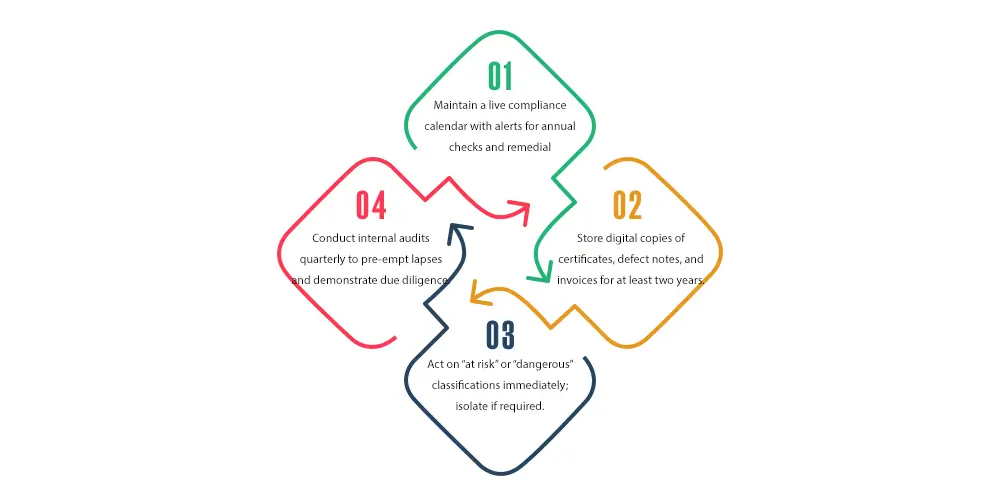
Thorough preparation helps the inspection run smoothly; failure to meet legal duties carries real consequences. In London, non‑compliance with annual gas safety requirements can trigger fixed penalties, prohibition notices, or prosecution, especially if unsafe appliances risk occupants. We should maintain legal repercussions awareness and document every control we implement. Regulators use compliance monitoring systems and penalty enforcement strategies to verify records and escalate action when gaps persist. To avoid sanctions, we must evidence diligence, track expiries, and remedy defects promptly.
Choosing a Qualified Gas Safe Engineer
Although cost and availability tempt shortcuts, we must only appoint a Gas Safe registered engineer whose competencies match our appliance types and work scope. We begin with qualifications verification: check the engineer’s Gas Safe ID card, registration number, and the specific categories listed (e.g., boilers, cookers, fires, LPG, commercial). Cross‑check on the Gas Safe Register.
Next, perform an experience assessment. Confirm years in practice, manufacturer accreditations, and recent continuing professional development. Ask for sample Gas Safety Records to inspect test procedures and defect classification quality.
We also scrutinise customer reviews with a critical lens prioritising detailed, verifiable feedback over star averages. Finally, we request proof of public liability insurance and method statements for tightness testing, combustion analysis, and flue integrity checks, ensuring documented, standards‑compliant work.
Costs, Timelines, and Best‑Practice Scheduling
With the right engineer selected, we set clear expectations on costs, lead times, and scheduling to control risk and avoid compliance gaps. We budget using transparent cost considerations: fixed call‑out, per‑appliance testing, and remedial rates. In London, lead times fluctuate seasonally; we secure slots 2–4 weeks ahead and hold contingency for access failures. Our scheduling strategies anchor the certificate cycle to lease renewals and heating off‑peak windows, ensuring inspection frequency meets annual legal requirements with buffer days for fixes.
Set costs, secure slots early, and align schedules to prevent compliance gaps and keep certificates on time.
- Map all gas appliances, meters, and flues; confirm scope before quoting.
- Reserve early‑morning or key‑collection windows to minimise no‑access risk.
- Stage remedials within 48–72 hours to keep certificates on timeline.
- Track expiry dates; auto‑book inspections 10–12 months post‑issue to maintain continuity.
Frequently Asked Questions
Can Digital CP12 Certificates Be Integrated With Property Management Software?
Yes, they can. We support API-based digital integration benefits, webhook updates, and secure storage. Expect some software compatibility issues; we resolve them with standardized schemas, OAuth, and audit trails, delivering robust certificate management solutions across multi-property portfolios and compliance workflows.
What Happens if a Tenant Refuses Access for the Gas Check?
If a tenant refuses access, we document attempts, serve written notice, and seek access enforcement via court order. We respect tenant rights while meeting gas regulations, demonstrating reasonable efforts, coordinating reappointments, and minimizing disruption to maintain compliance and safety obligations.
Are Temporary Heaters Allowed While an Appliance Is Condemned?
Yes, but only under temporary heating regulations and strict appliance safety standards. We’ll specify approved electric heaters, guarantee ventilation, keep clearances, avoid open-flame devices, and enforce gas leak precautions. We’ll document risk assessments and monitor usage until repairs or replacement complete.
How Are Gas Safety Checks Handled in HMOS With Shared Appliances?
We coordinate HMO gas safety checks by covering all communal systems under shared appliance protocols. We document inspection frequency, maintain records, and brief you on tenant responsibilities report faults, allow access, avoid interference—while ensuring swift remedials, certified engineers, and clear compliance evidence.
Can Smart Thermostats Impact Gas Safety Inspection Outcomes?
Yes, they can. We’ll note smart thermostat benefits like improved control and logs, but they don’t replace statutory tests. They may aid gas leak detection integrations and show energy efficiency impact, yet inspection outcomes still hinge on appliance compliance.
Conclusion
Staying compliant in London isn’t optional it’s essential. We schedule annual CP12 renewals, guarantee qualified Gas Safe engineers inspect appliances, flues, ventilation, and pipework, and fix defects promptly. We document findings, keep records for at least two years, and coordinate access so tenants aren’t disrupted. To avoid penalties, we verify Gas Safe registration, plan ahead of expiry, and budget for remedials. With disciplined scheduling and rigorous checks, we protect occupants, property, and legal standing—safely, efficiently, and on time.