what are the Benefits of a Boiler Service for Landlord Compliance? A boiler service helps us meet Gas Safety Regulations, keep the CP12 current, and safeguard tenants. We verify ventilation and flues, test safety devices, calibrate gas pressure, and record combustion values with date‑stamped evidence. Engineers isolate unsafe appliances, document risk controls, and schedule repairs with parts on hand. Regular servicing catches faults early, reduces out‑of‑hours callouts, improves efficiency, and supports insurance claims with a clear audit trail. We also set risk‑based intervals and confirm engineer competence, there’s more that can help you.
Key Takeaways
- Ensures compliance with Gas Safety (Installation and Use) Regulations 1998 via annual CP12 inspections by Gas Safe registered engineers.
- Creates a verifiable audit trail with recorded combustion values, safety device tests, and date-stamped photos for insurers and authorities.
- Identifies and rectifies defects early, isolating unsafe appliances to protect tenants and reduce emergency callouts.
- Improves boiler efficiency by tuning and cleaning components, lowering energy costs without voiding warranties.
- Strengthens tenant trust by providing clear service records, CO alarm checks, and documented emergency procedures.
Table of Contents
Meeting Legal Duties Under Gas Safety Regulations
Whether we manage one flat or a whole portfolio, we must meet the Gas Safety (Installation and Use) Regulations 1998. Our legal responsibilities include guaranteeing every gas appliance, flue, and associated pipework is maintained in a safe condition by a Gas Safe registered engineer. We schedule periodic servicing aligned with manufacturer guidance and risk factors, verify adequate ventilation, and confirm correct burner pressures and combustion integrity.
We also assess emergency controls, test safety devices, and check for leaks using calibrated instruments. For tenant safety, we act on defects immediately and isolate unsafe appliances. We keep installation manuals accessible and confirm that engineer credentials are current. Adhering to compliance standards reduces carbon monoxide risks, guarantees proper operation, and demonstrates due diligence if incidents occur.
Keeping the Gas Safety Record Up to Date
Having set servicing and checks in motion, we must evidence compliance by maintaining a current Gas Safety Record (CP12) for every property. We schedule annual inspections with a Gas Safe registered engineer and log outcomes immediately. Accurate record keeping underpins gas safety and tenant assurance, so we verify appliance details, test results, defects, and remedial actions, then confirm the next due date. We store records securely, retain them for at least two years, and issue copies to tenants within 28 days or at move-in.
| Requirement | Practical action |
| Annual issue and renewal | Calendar reminders, engineer booking lead-time |
| Engineer credentials | Capture Gas Safe ID, licence category |
| Content completeness | Appliance list, pressures, ventilation, flue checks |
| Distribution and retention | Provide to tenants; archive digitally with backups |

Demonstrating Due Diligence to Protect Tenants
Although compliance starts with scheduled servicing, we demonstrate due diligence by proactively managing risk across the gas system and documenting every control. We treat landlord responsibilities as a defined compliance program: confirm appliance suitability, verify ventilation and flue integrity, test gas tightness, and record combustion results against manufacturer tolerances. Our tenant safety measures include CO alarm placement and testing, clear appliance labeling, and instructions for safe operation and isolation.
We implement proactive maintenance strategies: risk-based inspection intervals, parts condition tracking, and change control after any modification. We log engineer competence, calibration certificates, and remediation timelines, then issue auditable reports that align with statutory requirements and guidance. We brief tenants on emergency procedures, provide accessible contact pathways, and document acknowledgements to evidence informed consent and ongoing vigilance.
Early Fault Detection to Prevent Breakdowns
Building on our documented controls and auditable servicing, we use early fault detection to stop minor issues becoming outages or safety events. We pair calibrated fault monitoring systems with technician-led inspections to catch sensor drift, pressure anomalies, and ignition irregularities before they escalate. Our predictive maintenance strategies reference manufacturer tolerances, Gas Safety (Installation and Use) Regulations, and records of past alerts to prioritise interventions. We also issue seasonal service reminders to align checks with heating demand and regulatory deadlines.
| Action | Outcome |
| Sensor calibration | Accurate alarms |
| Flue/condensate checks | Reduced shutdowns |
| Combustion analysis | Safe combustion |
| Control logic updates | Fewer nuisance trips |
We document findings, tag high-risk components, and schedule corrective work with parts on hand, minimising tenant disruption and ensuring continuous compliance.
Improving Boiler Efficiency and Reducing Energy Bills
While compliance is non‑negotiable, we also tune boilers for measurable efficiency gains that cut landlord energy costs without compromising safety. During service, we calibrate gas pressure, set burner combustion to manufacturer specs, and balance system flow rates. Clean heat exchangers and filters transfer heat efficiently, so tenants get faster warmth using less fuel. We document settings for audit trails and verify controls for safe, efficient cycling. Our boiler maintenance tips and energy efficiency upgrades align with Building Regulations and appliance instructions, enabling cost saving strategies without voiding warranties.
- Replace worn seals, electrodes, and nozzles to maintain peak combustion and prevent heat loss.
- Power‑flush or chemically clean circuits to restore design flow and radiator output.
- Fit weather and load compensation controls for adaptive efficiency.
- Insulate pipework to reduce standing losses and pump runtimes.
Minimising Risk of Carbon Monoxide Leaks
Because carbon monoxide is invisible and odourless, we prioritise controls that prevent its formation and escape from the outset. During a landlord boiler service, we verify combustion quality, flue integrity, and ventilation, and we confirm appliance settings align with manufacturer specifications and local regulations. We practice carbon monoxide awareness by checking burner pressures, analysing flue gas (including CO/CO2 ratios), and inspecting seals, gaskets, and heat exchangers for deterioration.
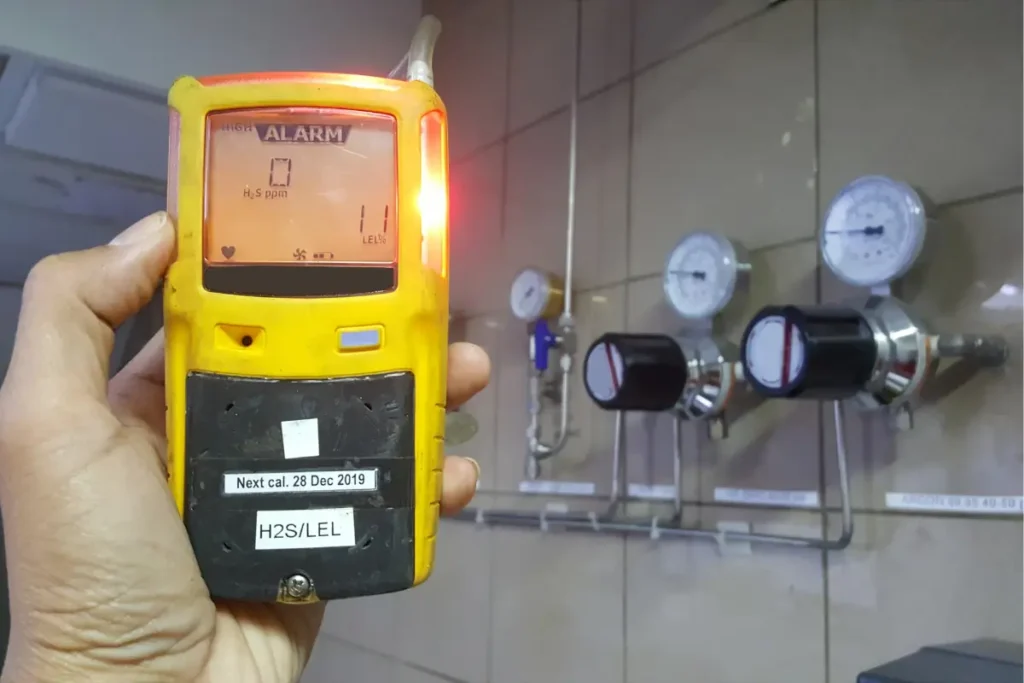
We deploy leak detection technologies appropriate to the property: EN‑approved CO alarms with digital displays, networked sensors in high‑risk zones, and data‑logging where portfolios demand audit trails. Our safety equipment recommendations include interlinked CO alarms, annual sensor calibration or replacement per manufacturer guidance, and clear tenant instructions. We document findings, rectify non‑compliances, and schedule rechecks after any corrective work.
Extending Appliance Lifespan and Reliability
Even as we meet compliance thresholds, we service with longevity in mind to cut failures and lifecycle cost. We focus on wear points burners, heat exchangers, seals, and controls so your assets run within manufacturer tolerances. Our appliance maintenance tips target combustion quality, water chemistry, and ventilation to slow corrosion and scaling. The importance of regular inspections isn’t box‑ticking; it’s how we benchmark efficiency, verify safety devices, and catch drift before it harms components. We also align settings with boiler technology advancements to reduce stress and extend service intervals without breaching regulations.
- Clean, calibrate, and test combustion for stable flame and low CO.
- Check inhibitor levels and system pressure to prevent sludge formation.
- Verify flue integrity and ventilation clearances against current codes.
- Update controls/firmware to optimise cycles and protect parts.
Reducing Emergency Callouts and Maintenance Costs
Although compliance drives the schedule, we design our service regime to cut reactive callouts and total cost of ownership. We use data-led inspections, combustion analysis, and water chemistry checks to stabilise operation and prevent faults before they cascade into breakdowns. Our cost saving strategies prioritise parts with known failure profiles, optimise service frequency to manufacturer guidance and usage patterns, and verify safety devices so lockouts are avoided.
We replace consumables proactively, calibrate gas valves, and set flow temperatures to reduce thermal stress—lowering wear on pumps, fans, and seals. We also build emergency preparedness into visits: stocking critical spares, confirming isolation points, and documenting fault codes for faster resolution. This disciplined approach reduces out-of-hours callouts, minimises tenant disruption, and keeps lifecycle costs predictable and compliant.
Strengthening Insurance Compliance and Claims Evidence
Our preventative approach doesn’t just cut failures; it also builds the audit trail insurers expect. By servicing boilers to manufacturer specifications and recording combustion values, safety device tests, and part serials, we align with policy terms and industry guidance. That evidence strengthens your position across insurance coverage options and supports a clean claims documentation process. We also demonstrate liability protection measures by documenting risk controls, tenant communications, and response times.
- Capture calibrated readings (flue gas, CO/CO2, efficiency) and date-stamped photos for verifiable records.
- Log engineer competency, Gas Safe registration, and parts provenance to satisfy underwriters.
- Store certificates, service reports, and remedial actions to substantiate causation and maintenance diligence.
- Note access attempts and tenant notices to evidence reasonable steps and reduce repudiation risk.
These habits protect premiums, limit disputes, and expedite settlement.
Streamlining Inspections and Audit Readiness
When we plan inspections with audit readiness in mind, we compress cycle times without cutting corners or breaching Gas Safe obligations. We set a risk-based inspection frequency that aligns with appliance age, usage, and manufacturer guidance, then lock it into audit scheduling so nothing is missed. We coordinate engineer availability, access permissions, and parts staging to minimise repeat visits and keep evidence chains intact.
We standardise documentation management: calibrated-instrument logs, CP12/LGSR certificates, remedial actions, and close-out proofs. We time-stamp photos, serial numbers, and combustion readings, and map them to property IDs. We maintain version control and retention periods that match regulatory expectations. With alerts for due dates and exceptions, we can demonstrate traceable compliance instantly work orders, sign-offs, and risk assessments linked and ready for scrutiny.
Enhancing Tenant Confidence and Retention
Audit-ready processes do more than satisfy inspectors; they build tenant trust. When we document boiler servicing, safety checks, and remedial actions, tenants see we prioritize compliance and reliability. That transparency improves tenant satisfaction, reinforces rental stability, and protects property value by reducing safety risks and costly breakdowns.
- Verified combustion efficiency lowers fuel waste and complaints about uneven heating.
- Recorded flue-gas analysis and CO alarm tests demonstrate proactive life-safety management.
- Documented remedial timelines show how quickly we resolve hazards and restore heat and hot water.
- Clear service logs help residents understand what’s been done and what’s scheduled next.
Choosing Qualified Engineers and Setting a Service Schedule
Two priorities drive compliance and uptime: selecting properly qualified engineers and locking in a defensible service cadence. We verify qualified certifications relevant to gas, oil, or LPG systems (e.g., Gas Safe, OFTEC) and confirm manufacturer approvals for our boiler models. We assess engineer experience with comparable plant, controls, and flue types, plus competency in combustion analysis, tightness testing, and sealed-system checks. We request evidence: ID numbers, insurance, calibration records, and recent CPD.
Next, we set service frequency aligned to regulation and risk. Annual servicing is the baseline; higher-risk assets (older appliances, heavy usage, multi-occupancy) justify semiannual visits. We calendar statutory checks, warranty requirements, and lease obligations, then lock SLAs for response times. Detailed reports, remedial prioritization, and auditable logs complete our compliance trail.
Frequently Asked Questions
How Long Does a Standard Landlord Boiler Service Typically Take?
Typically, a standard landlord boiler service takes 30–60 minutes. We confirm boiler service duration, document findings for landlord responsibilities, and guarantee tenant notifications. We verify gas safety, combustion, ventilation, and controls, addressing faults promptly to remain regulation-compliant and minimize downtime.
What Documentation Should Tenants Receive After a Boiler Service?
You should receive service documentation, including the engineer’s report, safety certificates (e.g., Gas Safety Record), and maintenance notes. We’ll provide fault findings, parts replaced, test results, next due date, and our contact details—supporting tenant rights and regulatory compliance.
Are Smart Thermostats Checked During a Boiler Service Visit?
Yes, we inspect smart thermostats for safe operation and integration. We verify smart thermostat features, confirm energy efficiency benefits, and note installation considerations. We don’t reprogram devices, but we test controls, wiring, communication, and compliance with manufacturer guidance and regulations.
Can a Service Be Combined With Annual Property Inspections?
Yes, we can combine them. We align boiler inspection scheduling with annual checks, coordinate tenant communication strategies, and document compliance. We assess access, safety, and service cost considerations, ensuring Gas Safe standards, minimizing disruption, and consolidating reports for audit readiness.
How Should Landlords Handle Service Access When Tenants Work Remotely?
We coordinate secure entry windows, verify IDs, and confirm consent. We use Remote access solutions, clear Tenant communication strategies, and Scheduling flexibility options. We document notices, adhere to statutory access rights, minimize downtime, and reschedule promptly if remote work needs change.
Conclusion
By prioritizing annual boiler servicing, we meet our legal duties, maintain a current Gas Safety Record, and evidence due diligence. Professional inspections help us catch faults early, maximise efficiency, and lower energy costs while protecting tenants from CO and combustion risks. They also support insurance compliance, smooth audits, and strengthen our documentation trail. When we use Gas Safe-registered engineers and stick to a clear service schedule, we safeguard residents, reduce downtime, and protect our properties and compliance position.