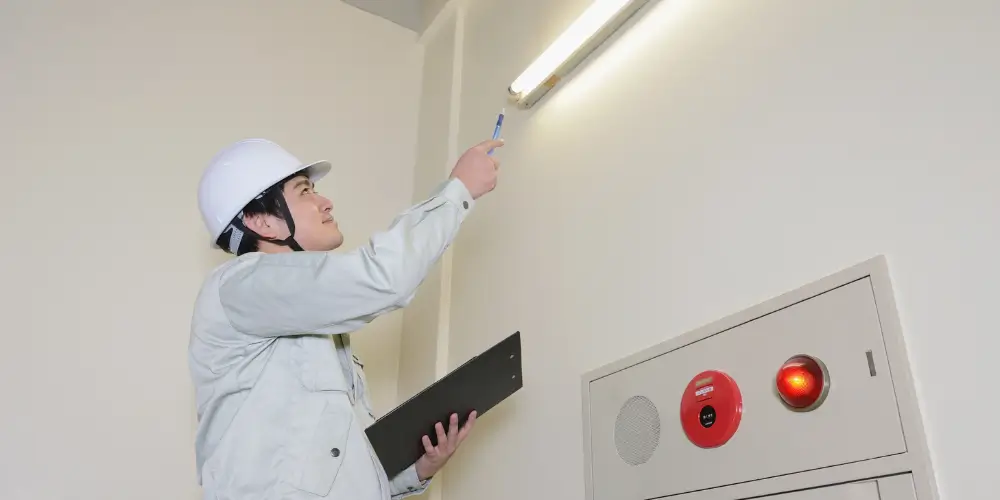
What Does Landlord Insurance Cover? Landlord insurance typically covers the building itself against fire, wind, hail, and vandalism; landlord-owned appliances and fixtures; lost rent after a covered claim; and liability for injuries or property damage, including legal defense. We can add options like burglary, glass breakage, lock replacement, and coverage for outbuildings. Policies vary (DP-1, DP-2, DP-3), with different payouts, limits, and deductibles, so we match coverage to your risks and budget. Stick with us to see what’s excluded and how to optimize costs.
Key Takeaways
- Dwelling coverage protects the rental’s structure against covered perils like fire, wind, hail, and vandalism, based on current rebuild costs.
- Landlord-owned appliances and fixtures are covered for damage; tenant-caused damage may be covered if negligence is proven.
- Loss of rental income is reimbursed during repairs after a covered claim, up to policy limits and based on scheduled rent or market comps.
- Liability protection covers bodily injury and property damage claims, including legal defense and medical payments, when incidents occur on the premises.
- Optional add-ons can cover vandalism, burglary of landlord property, glass breakage, enhanced lock replacement, and outbuildings, signs, or fences.
Dwelling Coverage for the Structure
Even before we screen tenants, we make sure the building itself is protected that’s where dwelling coverage comes in. It insures the structure foundation, walls, roof, attached garages against covered perils like fire, wind, hail, and vandalism. We help you set limits with a property value assessment aligned to current rebuild costs, not market price, so you’re neither underinsured nor overspending.
To minimize loss and support favorable terms, we pair coverage with dwelling safety measures: hardwired smoke detectors, water shutoff sensors, lightning protection, and up-to-code railings. We also offer structural maintenance tips that insurers respect roof inspections, gutter clearing, grading for drainage, and prompt remediation of leaks to prevent secondary damage. Together, these steps protect equity, speed claim resolution, and keep rental operations resilient.
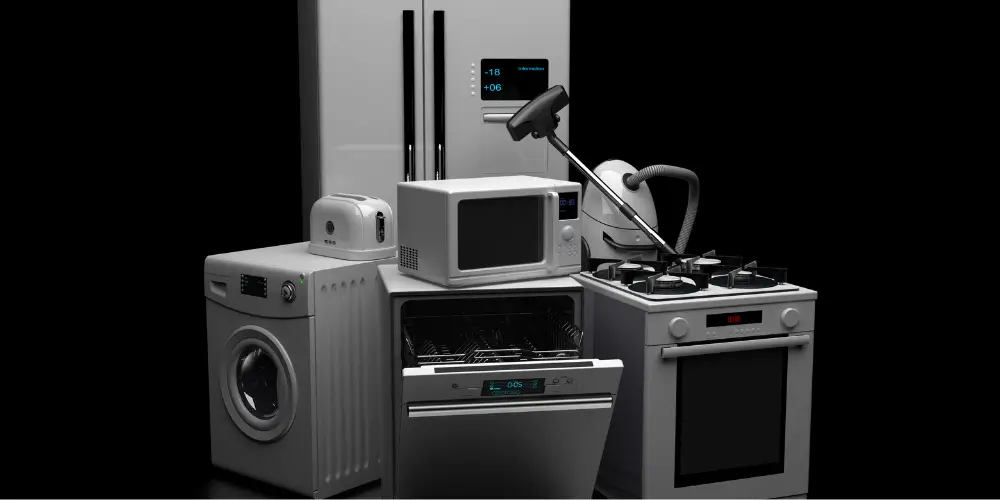
Coverage for Landlord-Owned Appliances and Fixtures
Protecting the structure is only part of the equation; we also insure the items that make a rental livable. Our policy can cover landlord-owned refrigerators, ranges, built-in microwaves, washers, dryers, water heaters, and fixed lighting or plumbing fixtures when they’re damaged by covered perils.
We clarify tenant responsibilities versus what we handle, and we guide you with appliance maintenance tips to reduce claims and downtime. Know your fixture replacement costs and whether your policy pays actual cash value or replacement cost.
| Item/Fixture | What’s Typically Covered | Owner To-Do |
| Appliances | Sudden accidental damage | Follow appliance maintenance tips |
| HVAC/Water Heaters | Covered peril failures | Schedule servicing |
| Plumbing Fixtures | Burst/accidental discharge | Track fixture replacement costs |
| Built-ins | Fire/smoke damage | Keep receipts |
| Tenant-Caused Damage | If negligence proven | Document tenant responsibilities |
Loss of Rental Income After a Covered Claim
When a covered loss forces a unit offline, we help replace the rent you can’t collect while repairs are underway. Our loss of rental income coverage activates after a covered claim, bridging the gap between lease obligations and downtime.
We outline clear loss calculation methods typically based on the scheduled rent, market comps, and documented vacancy trends so payouts align with your property’s earning potential. We also address tenant displacement issues, including coordinating lease provisions and notice requirements, so you maintain compliance while minimizing disruption. Coverage generally lasts until the unit is restored to rentable condition, subject to policy limits and waiting periods.
We’ll help you choose financial protection strategies that fit your portfolio, including appropriate limits, deductible choices, and documentation practices that streamline claims and speed recovery.
Liability Protection for Injuries and Lawsuits
Although accidents can happen on any property, our liability coverage steps in to defend you and pay covered damages if a tenant, guest, or third party alleges injury or property damage tied to your rental. We help you build legal responsibility awareness, respond quickly, and reduce risk through tenant safety measures. If a claim arises, we handle attorney fees, settlements, and court costs, up to policy limits, and guide you through the insurance claim process from notice to resolution.
| What’s Covered | Your Role | Outcome |
| Bodily injury claims | Maintain safe premises | Defense provided |
| Property damage to others | Document incidents | Covered payouts |
| Medical payments | Share records promptly | Faster resolution |
| Legal defense costs | Cooperate with adjusters | Reduced exposure |
We’ll keep you compliant, prepared, and protected.
Optional Add-Ons: Vandalism, Burglary, and More
You’ve seen how our liability coverage defends you in injury and damage claims; now let’s strengthen your policy with optional add-ons that target gaps standard forms don’t fully address. We can tailor endorsements to your property’s risk profile.
Start with vandalism coverage to pay for malicious damage to doors, windows, fixtures, and common areas. Add burglary protection to address theft of landlord-owned appliances, copper piping, or HVAC units and repair forced-entry damage. Consider optional riders for tenant-caused glass breakage, utility-drift after a break-in, or enhanced lock replacement.
We can also schedule coverage for outbuildings, signs, and fences, and extend loss of rent when crime renders units uninhabitable during repairs. We’ll align sublimits, deductibles, and waiting periods so you’re protected efficiently without overpaying.
What’s Typically Excluded From Policies
Even a strong landlord policy leaves certain risks outside the fence line, and we should know them before a claim. Policy exclusions vary, but some patterns are consistent and easy to miss in the fine print. We need to separate maintenance issues from sudden losses, and understand when liability shifts back to us.
- Wear and tear, rot, rust, settling, and deferred maintenance aren’t covered—these are owner obligations, not insurable events.
- Losses from tenant negligence often require us to pursue the tenant; many policies won’t pay for intentional or reckless damage.
- Certain natural disasters—flood, earthquake, and sinkhole—are typically excluded unless we buy dedicated coverage.
- Vacancy-related losses, ordinance or law upgrades, and utility failures can be excluded or limited, depending on endorsements and local rules.
Policy Types: DP-1, DP-2, and DP-3 Compared
Knowing what’s excluded sets us up to choose the right form of coverage, and the Dwelling Property (DP) policy tiers—DP-1, DP-2, and DP-3—are the backbone of landlord insurance choices. DP-1 is basic: named perils and actual cash value. The dp 1 benefits are price and simplicity, but it’s lean on protections. DP-2 upgrades to broader named perils, including burglary damage and falling objects, plus replacement cost on the dwelling in many cases.
Key dp 2 features also include better loss-settlement terms. DP-3 is the most extensive: open-peril coverage on the structure with named-peril personal property. The dp 3 differences include stronger coverage for sudden, accidental damage and fewer gaps. We align the policy to property age, risk profile, and budget.
How Deductibles, Limits, and Endorsements Affect Costs
While the policy form sets the foundation, deductibles, limits, and endorsements drive what we pay and what we pocket after a loss. Let’s translate the pricing levers. The deductible impact is simple: higher deductibles lower premiums but raise our out-of-pocket on claim day. Coverage limits cap the insurer’s check; too low, and we self-insure the gap. Endorsement benefits tailor protection think ordinance or law, water backup, or equipment breakdown each adds cost, but can prevent painful exclusions.
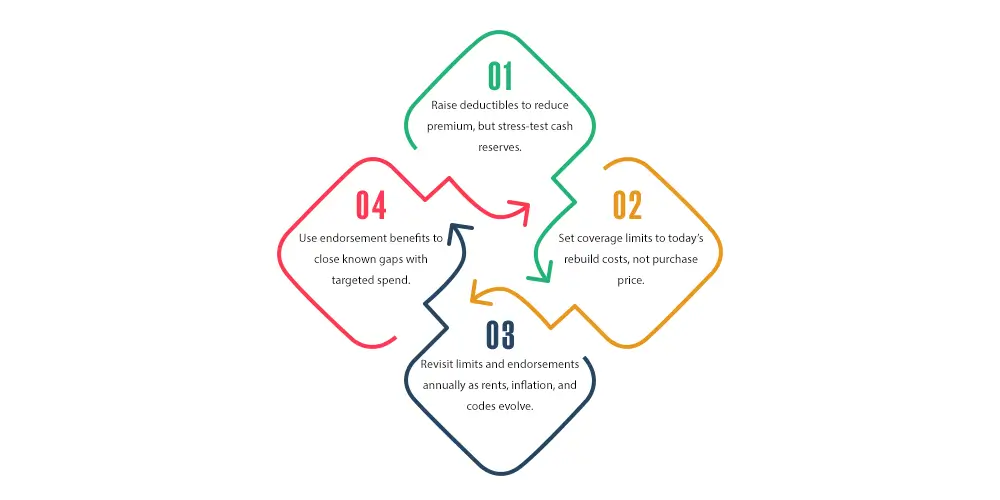
Balancing these levers controls cost without courting underinsurance.
Frequently Asked Questions
Does Landlord Insurance Cover Tenant-Caused Intentional Damage or Negligence?
No, most policies exclude intentional damage; we typically rely on tenant liability coverage for accidental harm. For negligence, we help you navigate the negligence claims process, document losses, and pursue recovery, minus deductibles and intentional damage exclusions.
Are Short-Term Rentals Like Airbnb Covered Under Landlord Policies?
Yes, but it’s not automatic. We’ll confirm Airbnb coverage through an endorsement or separate policy. Let’s review policy exclusions, liability, property damage, and rental income protection to guarantee your short-term rental risks are properly insured.
How Do Claims Affect Future Premiums and Eligibility?
Claims can raise future premiums and, with frequent losses, limit eligibility. We guide you through the claims process, explain premium adjustments, and review eligibility criteria, helping you mitigate risk, document repairs, and decide when to file or self-insure.
Can I Insure Multiple Rental Properties Under One Policy?
Yes—we can. Many insurers offer policy bundling options for multiple property coverage under one master policy. You’ll streamline administration, align limits, and often qualify for insurance premium discounts. We’ll assess locations, occupancy, and risk profiles to structure coverage.
Does Landlord Insurance Require Regular Property Inspections or Maintenance Proof?
Yes insurers often expect reasonable property inspections and documented maintenance. While not always mandated, meeting maintenance requirements supports insurance compliance, reduces claims disputes, and may affect premiums. We recommend scheduled inspections, contractor receipts, and dated photos to demonstrate diligence and expedite claim handling.
Conclusion
Landlord insurance isn’t one-size-fits-all, and that’s why we plan it strategically. We focus on the structure, our appliances and fixtures, lost rental income after covered claims, and liability protection. Then we tailor optional add-ons—like vandalism or burglary—while understanding what’s excluded. We compare DP-1, DP-2, and DP-3 to match risk and budget, and we fine-tune deductibles, limits, and endorsements to control costs. Let’s build a policy that protects our investment and keeps cash flow steady.