Avoid seven common tenant communication mistakes. Set clear response times and acknowledge within business hours. Use one primary channel with documented escalation rules. Require written confirmations and standardized templates. Replace vague terms with specific actions and deadlines. Provide proactive updates during repair delays with revised timelines. Account for cultural and accessibility needs, including translations and ADA-compliant materials. Maintain regular, positive outreach beyond issues to build trust. The following guide outlines each mistake and the corrective practices that prevent them.
Key Takeaways
- Failing to set and meet response time expectations, especially for emergencies, erodes trust and drives repeat inquiries.
- Using multiple unmanaged channels creates confusion; define one primary channel and document all key interactions in writing.
- Communicating vaguely about issues and timelines; specify actions, dates, responsibilities, and update frequencies from the start.
- Lacking clear escalation paths; publish time-based triggers, responsible roles, and case tracking with timestamps and unique IDs.
- Only contacting tenants during problems; maintain proactive touchpoints with monthly updates, quarterly check-ins, and feedback loops.
Table of Contents
Ignoring Response Time Expectations
How quickly should a landlord respond to tenant inquiries? Leaders who set and meet clear response time standards build trust and reduce escalation. Tenant expectations vary, but a same-day acknowledgment within business hours, and a 24–48 hour resolution window for non-urgent issues, signals reliability. Emergency matters demand immediate action and documented follow-up. Ignoring response time expectations creates anxiety, repeat messages, and avoidable complaints.
A professional approach defines channels, publishes service levels, and enforces them uniformly. Auto-acknowledgments with next steps, time-stamped logs, and prioritized queues help teams stay consistent. Regularly review patterns to adjust staffing during peak periods. Communicate delays before deadlines pass, offering a revised timeline. Train staff to close the loop explicitly. Measurable standards foster belonging, predictability, and long-term retention.
Mixing Channels Without Clear Rules
To prevent confusion across email, portals, texts, and calls, management should define a single primary channel for routine communications. They must set explicit response timeframes for each channel so tenants know when to expect answers. Finally, they should document clear escalation paths for urgent issues and exceptions.
Define Primary Channel
Clarity begins with a designated primary channel for tenant communications. A consistent choice such as a resident portal or email anchors the communication strategy and reduces confusion. When tenants know where to look and where to speak, they feel included and supported. Management defines the primary channel, states its purpose, and reserves it for core topics: notices, policy updates, maintenance requests, and building-wide alerts.
Secondary channels can remain open for community engagement and quick check-ins, but they should not compete with the primary channel. Provide a short explainer on how messages will flow, what belongs where, and how to escalate issues. Reinforce the standard in welcome materials, lease packets, and common-area signage. Consistency builds trust, streamlines recordkeeping, and strengthens a sense of shared community.
Set Response Timeframes
An agreed-upon response timetable prevents confusion when multiple channels are in play. When email, portal messages, texts, and calls coexist, clearly defined response expectations keep everyone aligned. Set category-based timeframes: urgent safety issues acknowledged within one hour, essential services within four hours, routine inquiries within one business day. Publish these standards in welcome packets, leases, and portal banners.
Assign each channel a purpose and matching timeframe. For example, the portal handles routine requests with a 24-hour acknowledgment; phone lines handle urgent issues with immediate triage. Use automated receipts to confirm request intake and the next update window. Track adherence with simple dashboards and share performance summaries.
Consistency builds trust, reduces repeat messages, and elevates tenant satisfaction. Communicate updates proactively if timelines shift.
Document Escalation Paths
Define and publish a clear escalation map that specifies who handles what, through which channel, and within what timeframe. Ambiguity breeds delays and erodes trust. A documented path aligns teams and assures residents their concerns matter.
List tiers of responsibility: onsite staff, property manager, regional lead, vendor, and emergency services. Assign a primary channel per tier portal for routine issues, email for follow-ups, phone for urgent safety items then enforce it. State target response and resolution times at each step.
Standardize escalation procedures: when a ticket is stalled, who elevates it, how updates are shared, and when to involve leadership. Capture tenant feedback at each phase to confirm progress and improve the map. Train staff, audit compliance, and publish a simple visual guide for shared accountability.
Skipping Written Documentation
A common misstep in tenant communication is relying solely on verbal agreements and informal messages, leaving no verifiable record. Without written agreements, expectations blur, disputes escalate, and trust erodes. A consistent paper trail protects both parties and affirms a shared standard.
Leaders should mandate written confirmation for key interactions: lease terms, repairs, notices, rent adjustments, rule reminders, and follow-ups. Standardize the process with communication templates so each message captures dates, responsibilities, and next steps. Centralize storage in a trackable system email threads, CRM notes, or a shared portal with clear naming conventions and timestamps. Train staff to summarize any call in writing and send a recap to the tenant for acknowledgment. This practice reduces misunderstandings, supports fair treatment, and sustains a cohesive, accountable community.
Using Vague or Ambiguous Language
Documenting interactions only works when the language itself is precise. When messages rely on vague terminology or unclear instructions, tenants feel uncertain and excluded from the shared understanding that builds community. Ambiguity creates room for conflicting interpretations, disputes, and missed obligations.
Clarity requires explicit actions, deadlines, and definitions. Replace “soon” with a date and time. Swap “address the issue” for “inspect the hallway leak at 2 p.m. on Tuesday.” State who is responsible, what steps follow, and how to confirm completion. Use consistent terms across emails, notices, and portals.
Before sending, test the message: Could a reasonable reader misinterpret it? If yes, revise. Specificity demonstrates respect, invites trust, and guarantees everyone knows what to do, when to do it, and how to stay aligned.
Delaying Repairs Without Updates
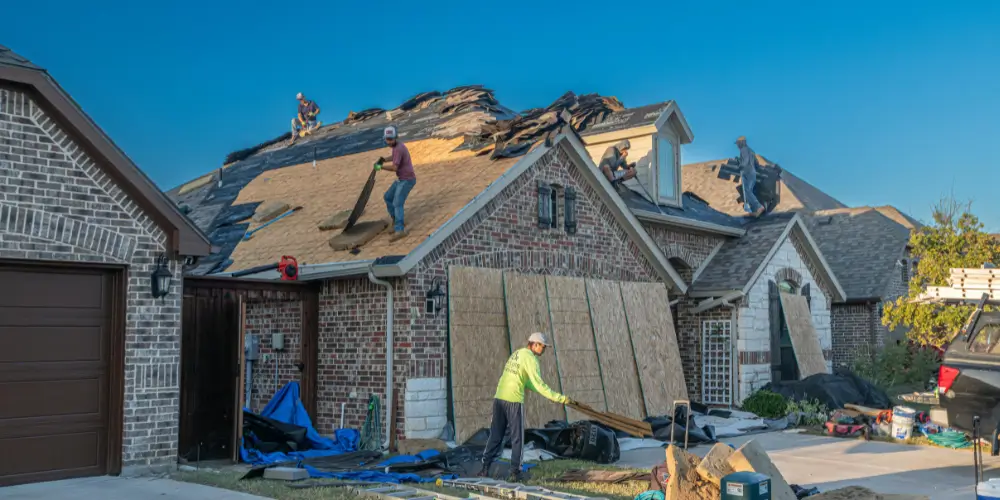
Delays without communication erode trust and trigger complaints. Set clear update timelines from the outset, and send proactive status notifications at defined milestones. Provide a visible escalation path so tenants know whom to contact if progress stalls.
Set Clear Update Timelines
Often overlooked yet critical, setting clear update timelines guarantees tenants are not left guessing during repair delays. Operators should define the update frequency at the outset of a service request daily, every 48 hours, or milestone-based so expectations are shared and measurable. Publish the next touchpoint and a target completion window, then confirm who to contact if conditions change.
Timeline flexibility is essential, but it must be structured. When parts are backordered or vendor schedules shift, revise the timeline immediately, document the reason, and provide the new expected date. Use consistent language, brief status notes, and a single communication channel to reduce confusion.
Clarity builds trust. A predictable cadence signals respect, reduces escalations, and helps residents feel included in the resolution process even when repairs take longer than planned.
Proactive Status Notifications
With timelines established, the next discipline is proactive status notifications that prevent silence from compounding frustration. Residents feel respected when they hear from management before asking. The standard: acknowledge every repair request immediately, send scheduled status updates at defined intervals, and issue proactive reminders when parts are backordered or vendor arrival windows shift. Short, plain messages work: what changed, why, and the next concrete step.
Automate touchpoints without sounding robotic. Use consistent channels email plus text for urgent matters and timestamp every note. Emphasize community: “We’re on this, and you’re not waiting alone.” Close each message with a realistic timeframe and the responsible party. Track open rates and response times to refine cadence. Silence signals indifference; steady, transparent notifications build trust and reduce repeat inquiries.
Escalation Path Visibility
A clear ladder. When repairs stall, tenants need escalation clarity that shows who to contact, when, and how. Without a visible escalation process, silence breeds frustration and erodes trust. Property teams should publish an accessible path: initial ticket, response time, next-level contact, and final decision-maker. Display it in leases, portals, lobbies, and service emails. Define time-based triggers for escalation e.g., 24 hours for acknowledgement, 48 for scheduling, 72 for action.
Use consistent labels for roles, not names, to maintain continuity during staff changes. Confirm each handoff with a timestamped update. Track cases with unique IDs and audit logs. Train staff to own outcomes, not just tasks. Invite feedback on clarity. Visibility signals respect, reinforces community, and accelerates resolution.
Overlooking Cultural and Accessibility Needs
Why do tenant relationships fail despite timely maintenance and clear leases? Often, communication ignores cultural sensitivity and accessibility options. When language, customs, or abilities are overlooked, residents feel unseen and excluded. The remedy is simple: standardize inclusive practices.
Leasing teams should map demographics, offer translated materials, and use plain language. Provide multiple channels email, text, phone, in-person and guarantee readable fonts, captions, and screen-reader compatibility. Train staff in respectful pronoun use, holiday awareness, and power-distance differences. Confirm preferences for names, times, and formats; log them in the CRM and honor them consistently.
Audit signage and portals for clarity and ADA compliance. Offer interpreters on request, visual door alerts, and quiet spaces in offices. Measure outcomes with tenant feedback and adjust. Inclusion builds trust; trust sustains occupancy.
Communicating Only When There’s a Problem
Beyond inclusive practices, tenant relations falter when contact occurs only during issues. Reactive outreach signals distance, not partnership. A consistent communication frequency sets expectations, lowers anxiety, and strengthens relationship building. Routine updates on maintenance cycles, community events, and policy changes reassure tenants they are seen, not just managed. Leaders should design predictable touchpoints, measure engagement, and invite feedback to normalize two-way dialogue before problems arise.
Predictable touchpoints turn reactive outreach into partnership and trust tenants feel seen before issues arise.
- Send a brief monthly update summarizing property news, upcoming work, and reminders to sustain communication frequency.
- Schedule quarterly check-ins to assess satisfaction and clarify expectations, reinforcing relationship building.
- Create a predictable feedback loop surveys and follow-up so tenants feel heard beyond complaint moments.
- Share positive acknowledgments (on-time payments, care of space) to balance notices and build community trust.
Frequently Asked Questions
How Should I Handle Rent Increases or Renewal Discussions Proactively?
They initiate early, review market data, and present clear lease terms. They invite rent negotiation with transparent rationale, offer options, and document agreements. They schedule check-ins, maintain consistency, and reinforce community values to build trust, encourage renewals, and prevent last-minute friction.
What Are Best Practices for Move-In and Move-Out Walkthroughs?
They recommend structured, transparent walkthroughs. Use a detailed move in checklist with timestamped photos, meter readings, and signatures. Schedule a joint move out inspection, compare condition to checklist, note normal wear, document damages, collect keys, and provide clear next-step timelines.
How Can I Set Expectations for Community Rules and Amenities?
They set expectations by sharing clear community guidelines at lease signing, posting reminders onsite, and hosting brief orientations. They outline amenity usage hours, reservation procedures, etiquette, and consequences, reinforcing inclusive norms through consistent messaging, welcome packets, and periodic updates that encourage shared responsibility.
What’s the Protocol for Emergency vs. Non-Emergency Situations?
They distinguish emergencies from routine issues: follow emergency protocols—call 911 for danger, then notify management and document. For non emergency guidelines—submit a maintenance request, use designated contacts, include details and photos, respect response windows, and confirm resolution to maintain community trust.
How Do I Implement Respectful Boundaries for After-Hours Contact?
They set respectful boundaries by publishing clear after hours policies, defining response windows, and offering an emergency-only channel. Communication guidelines clarify acceptable timing, auto-replies acknowledge messages, and onboarding reiterates expectations, reinforcing community norms while protecting personal time and consistent service.
Conclusion
Effective landlord-tenant communication hinges on clarity, consistency, and accountability. By honoring response time expectations, standardizing channels, documenting exchanges, and avoiding ambiguity, property managers minimize disputes and build trust. Timely repair updates, sensitivity to cultural and accessibility needs, and proactive outreach beyond problem moments signal professionalism. Adopting written policies, templates, and service-level targets creates predictability. Regular check-ins and accessible formats further enhance satisfaction. Implementing these practices reduces risk, improves retention, and sustains a positive, compliant, and operationally efficient rental experience for all parties.