Handling property access when tenants work from home requires balancing legal rights and privacy. Landlords should give reasonable notice, use clear, empathetic communication, and explain who is entering, when, and why. Scheduling visits outside core meeting times and offering defined time windows reduces disruption. Quiet conduct, limited movement, and quick, focused work show respect for remote workers. Technology and clear policies can streamline coordination and protect trust, and the following guidance explains how to put this into practice.
Key Takeaways
- Give clear, advance notice with specific time windows, purpose of entry, and who will attend, following local legal requirements for notice and reasonable hours.
- Ask tenants about core meeting times and quiet periods, then schedule access in lower-impact windows or offer multiple alternative slots.
- Communicate transparently and empathetically about what areas will be accessed, how long it will take, and invite tenants to share any work-related concerns.
- Use technology like online portals, shared calendars, and smart locks to coordinate, confirm, and log visits while minimizing unnecessary contact and disruption.
- During visits, move efficiently and quietly, limit conversations and calls, protect work areas, and provide a quick recap of what was done and next steps.
Table of Contents
Understanding Legal Entry Rights and Notice Requirements
When, and under what conditions, a landlord may enter a rented home becomes especially important when tenants work from home. In most regions, laws balance a landlord’s right to maintain the property with a tenant’s right to quiet enjoyment and privacy. Entry is usually allowed for repairs, inspections, safety checks, or emergencies, but only under clearly defined limits.
Statutes commonly require “reasonable notice,” often 24–48 hours, and specify that entry must occur at reasonable times, such as standard daytime hours. Emergencies, like fires or major leaks, are treated differently and may justify immediate entry without prior notice.

Communicating Access Needs With Work‑From‑Home Tenants
How can landlords coordinate necessary access without derailing a tenant’s workday at home? They begin by explaining clearly why entry is needed, who will attend, and what spaces will be involved. This helps remote workers feel respected, not invaded.
Effective communication is specific, transparent, and empathetic. Landlords outline the purpose repairs, inspections, safety checks in plain language, avoiding vague phrases that erode trust. They invite tenants to share concerns about meetings, confidentiality, or equipment, signaling that those needs matter.
Multiple channels email, text, and written notices reinforce the message and reduce misunderstandings. Consistent tone matters as much as content: inclusive language (“we’ll work together”) and calm reassurance show that tenants are partners in maintaining the home, not obstacles to be managed.
Scheduling Strategies to Minimize Disruption to Remote Work
To minimize disruption for remote workers, scheduling must balance legal notice requirements with the practical rhythms of a tenant’s workday. A thoughtful landlord begins by learning a tenant’s core meeting hours, quiet times, and flexibility windows, then prioritizes access during lower‑impact periods. When several units need service, grouping visits by similar availability reduces repeat interruptions and shows respect for shared time.
Clear time blocks such as “between 10 a.m. and noon” help tenants plan breaks, move calls, or use co‑working spaces. Offering a few alternative slots, including early mornings or early evenings where lawful, supports diverse work schedules. Consistently honoring agreed times builds trust, signaling that remote workers are not an afterthought but a valued part of the housing community.
Best Practices for Maintenance, Inspections, and Showings
Thoughtful scheduling only works well if each visit is handled with equal care. Owners and managers can begin by confirming entry the day before and on the morning of the visit, repeating time windows and purpose.
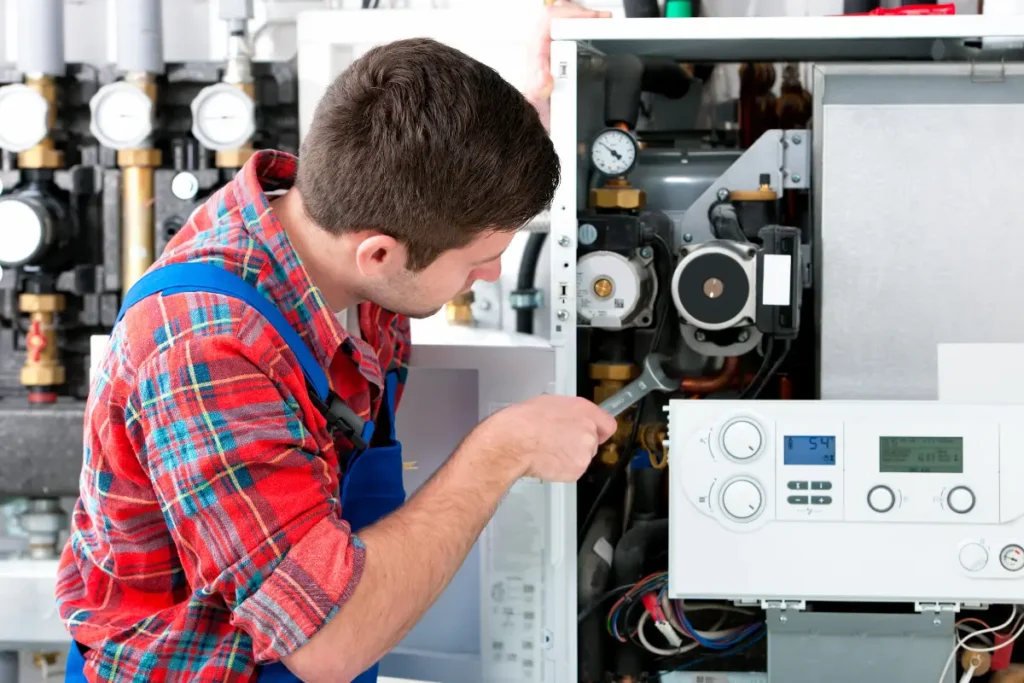
Clear introductions help everyone feel grounded: who is coming, how long they expect to stay, and which rooms they must access. During maintenance, inspections, and showings, professionals can keep voices low, limit phone calls, and avoid unnecessary movement through workspaces. Asking where residents prefer equipment to be set down or which areas to protect first signals respect.
Afterward, a brief recap of what was done, what was observed, and any next steps reinforces reliability and trust, showing tenants they are partners, not interruptions.
Using Technology and Policies to Streamline Property Access
With more residents working remotely, technology and clear policies together provide the structure needed to manage access without disrupting the workday. Digital tools such as online portals, shared calendars, and messaging apps allow residents and management to coordinate entry times that respect focused work, family routines, and privacy.
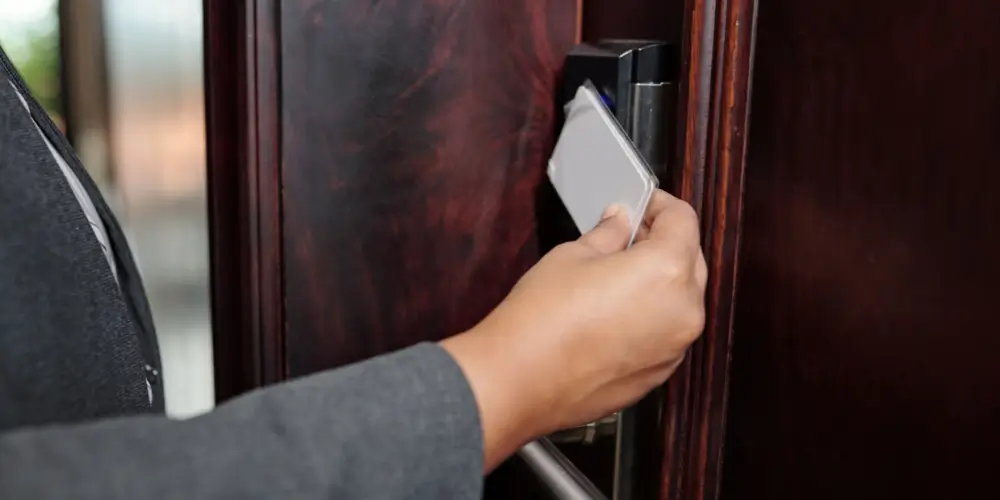
Smart locks, video intercoms, and keyless entry systems can reduce unexpected interruptions by logging access and enabling time-limited codes for staff and vendors. These tools work best when backed by written access policies that are easy to find and consistently followed.
Transparent rules about notice periods, approved hours, and communication channels help everyone know what to expect, reinforcing a sense of safety, inclusion, and mutual respect within the community.
Frequently Asked Questions
Can Tenants Claim a Home Office Deduction if Landlords Frequently Access the Property?
Yes, tenants can sometimes claim a home office deduction, even with landlord access, if the space is used regularly and exclusively for work. However, shared or frequently disrupted areas may not qualify. Professional tax guidance supports confident, inclusive decisions.
How Does Property Access Affect Renters’ Insurance Coverage for Home Office Equipment?
Property access usually doesn’t void coverage, but frequent landlord entry can complicate claims if equipment is damaged or stolen. Tenants feel safer reviewing policy exclusions, listing office gear, and confirming who’s responsible during repairs or scheduled inspections.
Can Landlords Restrict the Type of Remote Work Done Inside the Rental?
Landlords can sometimes restrict remote work if leases, zoning, or safety rules are clearly at issue, yet tenants usually retain broad use rights. Open communication, written expectations, and shared respect help everyone feel secure, welcomed, and fairly treated.
What if a Remote Job Requires Strict Confidentiality or Nondisclosure Can Tenants Refuse Entry?
Tenants usually cannot flatly refuse lawful entry, even with strict confidentiality obligations. However, they may negotiate timing, limit access to sensitive areas, request the landlord’s presence only, and use NDAs or privacy measures to protect confidential work.
How Should Access Be Handled When Tenants Receive Clients at the Rental for Work?
Access should be scheduled collaboratively, honoring clients’ privacy while preserving landlord inspection rights. Tenants disclose business use, maintain common areas, and agree on quiet hours, written notice expectations, and alternative times so everyone feels respected, safe, and included in shared space.
Conclusion
By balancing legal entry rights with empathy for remote workers, landlords can preserve both compliance and goodwill. Clear communication, flexible scheduling, and thoughtful maintenance practices reduce disruptions to tenants’ routines. When supported by smart technology and consistent policies, property access becomes predictable and respectful. This approach not only protects the property and limits liability, it also strengthens long‑term tenant relationships in an era where working from home is increasingly the norm.