PAT testing is generally not a legal requirement for private landlords, but landlords remain responsible for electrical safety of appliances and installations. They must carry out risk assessments, inspections and timely repairs, keep records and meet any insurer or tenancy-clause obligations. PAT provides documented evidence of appliance condition at test time and helps manage liability and budgets. Qualified competent persons should perform testing and retain certificates. Continue for practical guidance on frequency, scope, costs and compliance.
Key Takeaways
- PAT testing is not universally legally required for private landlords, but they must ensure electrical safety of appliances and installations.
- Landlords meet obligations through risk assessments, regular inspections, and timely repairs rather than mandatory PAT certificates.
- Insurers or tenancy agreements may impose specific PAT testing frequencies or record-keeping requirements as contract conditions.
- PAT testing is best practice: it provides documented evidence of appliance condition and reduces liability and insurance risk.
- Schedule tests based on appliance risk and usage, keep certificates accessible, and promptly address any identified faults.
Table of Contents
Is PAT Testing Legally Required for Landlords?
Is PAT testing legally required for landlords? The law does not explicitly mandate portable appliance testing for private landlords, yet responsibility for electrical safety remains. Landlords must guarantee that electrical installations and appliances provided are safe; compliance typically rests on risk assessment, routine visual checks, and documented maintenance. PAT testing can serve as evidence of proactive management and can reduce liability by revealing faults before harm occurs. Those valuing autonomy may prefer flexible approaches: conducting regular inspections, using qualified electricians for periodic checks, and retaining records to demonstrate due diligence. Where local regulations or tenancy agreements impose stricter obligations, PAT testing may be effectively required. Insurance providers and courts often view systematic testing favorably, so strategic testing supports freedom from dispute and potential claims. Ultimately, while not universally compulsory, PAT testing is a practical tool for landlords committed to minimizing risk and preserving the independence to manage properties responsibly.
Landlord Electrical Safety Duties and PAT
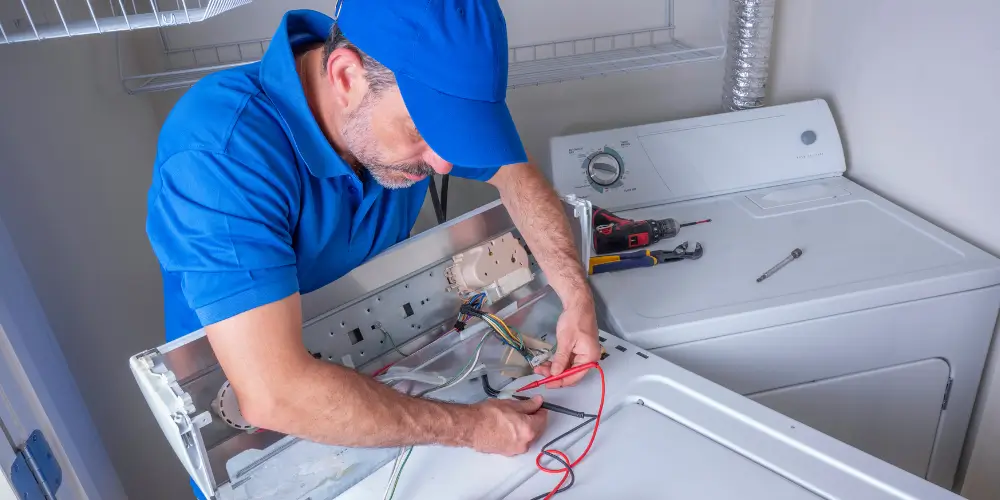
Landlords must guarantee the electrical safety of rented premises through proactive measures that combine risk assessment, maintenance, and documentation. The duty rests on preventing harm while respecting tenants’ autonomy; routine inspections, timely repairs, and clear records reduce risk and support independent living. Portable Appliance Testing (PAT) can form part of a proportionate maintenance regime where appliances are provided, though it is one element among inspections, fixed-wire testing, and tenant guidance. Responsibility includes responding to reported faults, scheduling competent contractors, and keeping evidence of actions. Transparent communication empowers tenants and protects landlords.
- A sudden fault that endangers a household yet could have been prevented
- The relief of a tenant confident in their home’s safety
- The frustration of unclear responsibilities left unresolved
- The freedom to live without fear of electrical hazards
- The assurance of documented care when disputes arise
Practical, rights-respecting steps align safety with freedom.
When Insurers or Tenancy Clauses Require PAT
Where insurers or tenancy agreements stipulate portable appliance testing, the duty of care intersects with contractual and policy conditions that can impose specific testing frequencies, record-keeping formats, and acceptable tester competence. In such cases landlords must align risk management with contractual obligations to maintain cover and avoid breaches that could invalidate claims. Clear documentation demonstrating compliance dated test results, tester identity and qualifications, and remedial actions taken becomes essential evidence. Tenancy clauses may shift responsibility for PAT to tenants or require landlords to guarantee testing is completed before occupancy; insurers may require tests after claims or at defined intervals. Disputes over scope or timing are resolved by referencing the precise wording of policies and agreements. Where flexibility is desired, landlords should negotiate permissive clauses, seek insurer approval for alternative safety regimes, or adopt industry-recognised standards that balance safety, cost and tenant autonomy while preserving contractual protection.
What PAT Testing Covers : And What It Doesn’t
PAT testing focuses on the safety of electrical appliances and their immediate flexible leads by combining a visual inspection with targeted electrical checks to identify faults such as damaged insulation, faulty earths, and deteriorated plugs. It inspects portable and fixed appliances where accessible, records pass/fail outcomes, and highlights items that pose an immediate risk. It does not certify complete electrical installations, wiring in walls, or hidden faults beyond the appliance and its lead. It is a snapshot of condition at the test moment, not a guarantee against future failure.
- Relief when hazards are removed, allowing tenants to feel secure.
- Confidence from clear records that protect independence.
- Frustration if landlords mistake PAT for a full electrical safety replacement.
- Empowerment to act when failures are found, preserving freedom to choose repairs.
- Caution that unseen wiring issues demand separate inspection for true liberation from risk.
Who Can Do PAT Testing: Qualifications and Competence
Having clarified what appliance testing does and does not cover, responsibility for carrying out inspections falls to individuals with the right training and competence. Landlords may engage competent electricians, qualified maintenance staff, or accredited third‑party testers. Competence combines formal knowledge such as City & Guilds, NICEIC, or equivalent electrical qualifications with specific PAT testing training and regular refresher courses. Practical experience with diverse appliances, correct use of test instruments, and awareness of safety standards (including those set by the HSE) are essential.
Competent persons must exercise judgment about appliance condition and electrical risk, and must know when to recommend repair or withdrawal from service. Responsibility can be delegated, but ultimate accountability remains with the duty holder, who should verify credentials and review records. For those valuing autonomy, selecting qualified contractors or training in‑house staff preserves control while ensuring legal and safety expectations are met. Documentation of competence and clear lines of responsibility complete a robust approach.
PAT Testing Process: Inspect, Test, Record
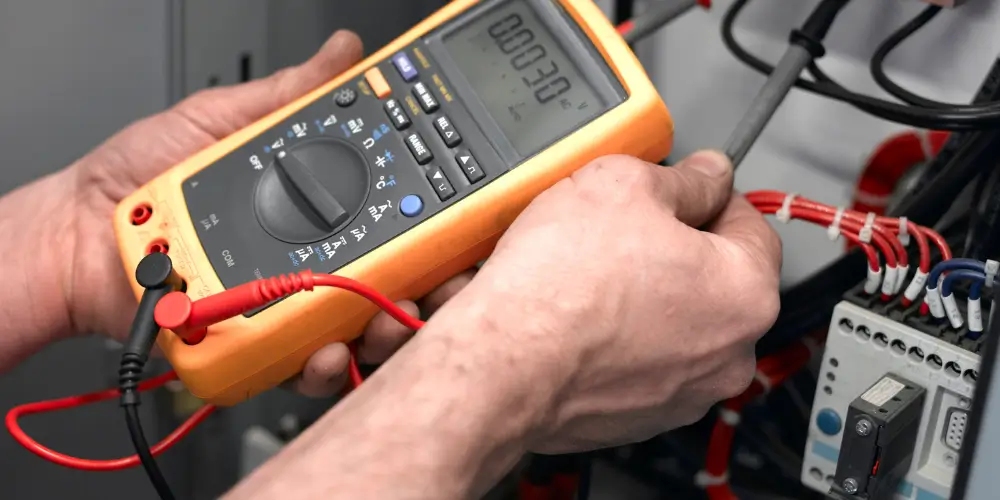
Begin by systematically dividing the process into three clear stages inspection, testing, and record‑keeping so each appliance is examined consistently and no step is overlooked. The inspector visually assesses leads, plugs, and casings for damage and signs of misuse, then classifies appliances by risk. Next, calibrated instruments measure earth continuity, insulation resistance, and functionality; failed items are isolated and labelled for repair or disposal. Finally, concise records capture serial numbers, test results, dates, tester identity, and remedial actions, enabling transparent oversight without bureaucratic drag. This approach balances responsibility with the tenant’s autonomy, allowing swift action when hazards appear while preserving practical freedom for property use.
- Relief when safety is clear and confidence replaces doubt
- Anger quelled by swift removal of dangerous items
- Empowerment from transparent, accessible records
- Trust restored through consistent, impartial checks
- Calm knowing freedom need not mean risk-free compromise
PAT Testing Frequency, Certificates and Retention
While legal requirements vary by jurisdiction and equipment type, landlords should adopt a risk‑based cadence for portable appliance testing that balances safety, cost, and operational practicality. Determining frequency depends on appliance classification, usage intensity, and environment: high‑use or hire items merit more frequent checks, low‑risk, seldom‑moved devices can be inspected less often. Clear schedules annual, biennial, or condition‑triggered offer predictable oversight without micromanagement.
Testing should produce concise certificates documenting appliance ID, test date, outcome, and tester credentials. Certificates function as proof of due diligence and support transparent communication with tenants. Digital records are preferred for accessibility and backup; scanned or cloud‑stored certificates streamline audits and transfers between properties. Retention policies typically mirror risk profiles: retain records long enough to demonstrate consistent maintenance, or per local statutory periods where applicable. Secure, organized retention enables landlords to act confidently, defend positions if questioned, and maintain tenant safety while preserving operational freedom.
Costs, Liability and a Quick Landlord Checklist
Cost awareness is essential for landlords balancing safety obligations with budget constraints. Expenses for PAT testing vary by property count and tester rates, but proactive budgeting can prevent larger costs from accidents or fines. Liability hinges on demonstrable care: records, certificates, and timely remedial action reduce risk. Professional testing is an investment in legal defensibility and tenant wellbeing, enabling landlords to retain autonomy over their portfolio. A concise checklist supports clear decisions and freedom to act.
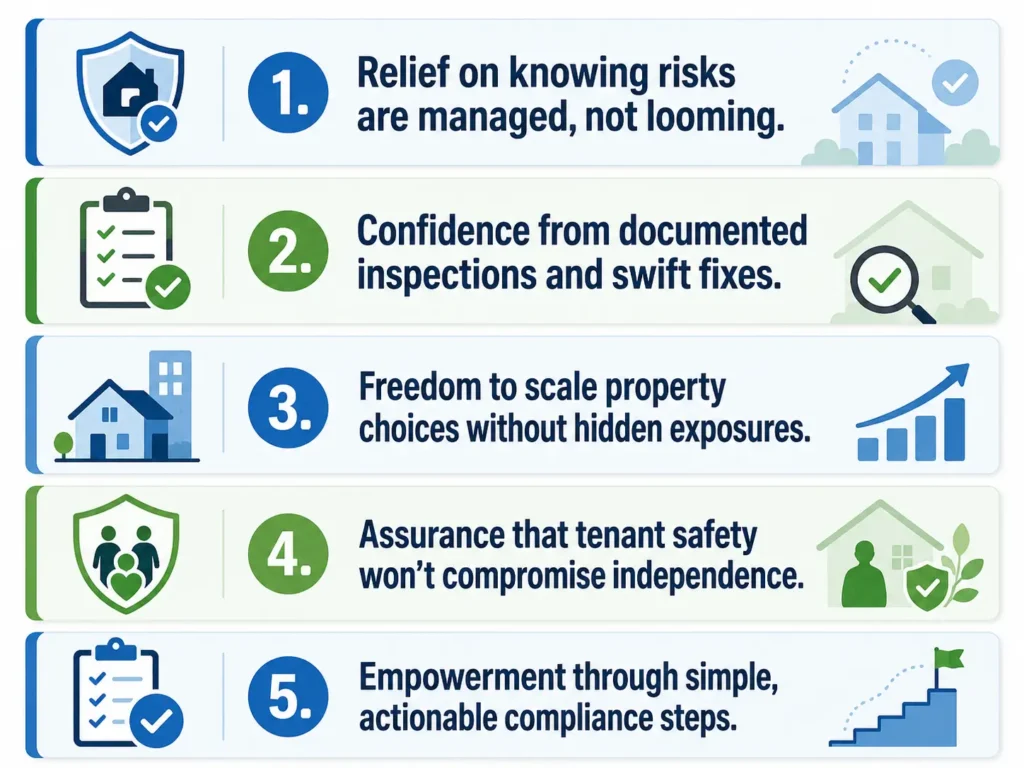
Quick checklist: schedule tests, keep certificates, address faults immediately, retain records for the term, and review insurance coverage. This approach minimises liability, controls costs, and preserves landlord freedom.
Frequently Asked Questions
Can Tenants Conduct PAT Testing on Their Own Appliances?
Yes. A tenant may test their own appliances, provided they understand limitations, use proper equipment, and record results; however, responsibility for mains wiring and landlord obligations remain, so independent testing supplements but does not replace professional checks.
Does PAT Testing Cover Communal Area Electricals?
Yes, communal area electricals are covered: responsibility typically falls to the property owner or manager to guarantee safety, though regulations vary; maintenance and periodic PAT testing are commonly applied to shared sockets, lighting, and portable devices.
Are Extension Leads and Multiway Adaptors Included in PAT Tests?
Yes, extension leads and multiway adaptors are typically included in PAT tests; the tester inspects portable, plug-in items for safety, though owners may choose selective testing frequency based on usage, risk, and the desire for practical autonomy.
How Does PAT Testing Differ From Fixed Wiring Inspections?
PAT testing focuses on portable appliances and their plugs/sockets, while fixed wiring inspections examine permanent electrical installations like wiring, consumer units, and circuits. The former is appliance-specific; the latter assesses building electrical infrastructure and safety.
Can Landlords Rely on PAT Results From Previous Tenants?
No; they should not rely on previous tenants’ PAT results. A landlord prefers autonomy and should commission fresh, documented tests to guarantee current compliance and safety, avoiding assumptions, liability, and potential disputes over appliance condition.
Conclusion
Ultimately, landlords are advised to view PAT testing as part of a wider electrical safety regime rather than a standalone legal obligation. While routine PAT may not be explicitly required, duty of care, tenancy agreements and insurer conditions often make portable appliance checks prudent. Competent persons should inspect, test and record results proportionately, retaining certificates and addressing faults promptly. Ultimately, PAT testing supports compliance, risk reduction and tenant safety when integrated into responsible property management.