Social media gives landlords a fast, visible way to share safety and maintenance updates with tenants. Platforms like Facebook Groups, Instagram, and WhatsApp can announce repairs, inspections, amenity closures, and safety upgrades in real time. Clear, calm posts should explain what is happening, what management is doing, and what residents should do. Coordinating posts with email, text, and lobby notices builds trust, consistency, and better preparedness, and there are practical steps that make this much easier to manage.
Key Takeaways
- Use multiple channels (Facebook Groups, Instagram, WhatsApp, text, email) and post the same safety or maintenance update everywhere within a tight time window.
- Create one master message per issue and adapt wording per platform, keeping facts, tone, and visuals (colors, icons, logos) consistent.
- Prioritize urgent alerts via text and email, then follow with social posts for visibility, reassurance, and archived reference (pinned posts, highlights).
- Share clear, calm updates with what’s happening, actions being taken, what residents must do, and when the next update will come.
- Protect privacy by avoiding identifiable tenant details, using opt-in photo consent, and keeping conversations professional with clear house rules and response expectations.
Table of Contents
Why Social Media Belongs in Your Property Management Toolkit
Why does social media deserve a permanent place in a landlord’s property management toolkit? It offers a shared space where residents feel informed, noticed, and connected. Instead of relying only on emails or paper notices, landlords can post timely safety alerts, maintenance updates, and community reminders where people already spend their time.
Social media lets information move quickly during urgent repairs, weather events, or security concerns. It also creates a visible record of updates, reducing confusion and repeated questions. Residents can respond, ask for clarification, or share observations, helping everyone stay aligned. Used thoughtfully, social media helps landlords show reliability and care. Over time, this steady presence builds trust and a sense of community, making properties feel safer and more supportive.

Choosing the Right Platforms for Your Rental Community
To turn social media into a practical tool rather than a distraction, landlords must choose platforms that match their properties and residents. The goal is to create a shared digital space where people feel informed, included, and heard.
Different platforms support this in different ways:
- Facebook Groups – Ideal for mixed‑age communities; supports announcements, events, and neighborly conversation.
- Instagram – Works well for visually showcasing upkeep, safety upgrades, and community pride.
- WhatsApp or Group Text Apps – Best for small buildings that need quick, direct coordination.
- X (Twitter) or Threads – Useful for brief, time‑sensitive alerts like maintenance windows or weather‑related notices.
Setting Boundaries: Policies, Privacy, and Tenant Consent
Before posting a single photo or update, a landlord using social media needs clear rules about what will and will not happen online. A simple written policy shared in welcome packets and pinned on profiles helps everyone understand expectations. It can outline who manages the account, posting frequency, response times, and what topics belong offline.
Privacy and consent sit at the center of trust. Landlords should avoid sharing names, unit numbers, or identifiable images without written permission. Group photos, event snapshots, and testimonials all require opt‑in consent, not silence. Tenants also need clear options to unsubscribe, mute, or move conversations to private channels. When boundaries are explicit, residents feel seen, protected, and more comfortable engaging in a shared online space.
What to Share: Safety and Maintenance Updates That Matter
Clear boundaries make social platforms usable; clear content choices make them valuable. When landlords post with intention, residents feel included rather than overwhelmed. The focus stays on updates that help everyone live more safely and comfortably together.
Content that matters most usually falls into four categories:
- Preventive maintenance – seasonal reminders about tasks like HVAC filter checks, gutter cleaning, or pest treatments, so residents know what’s happening and why.
- Safety improvements – notices about new lighting, cameras, locks, or access procedures that strengthen shared security.
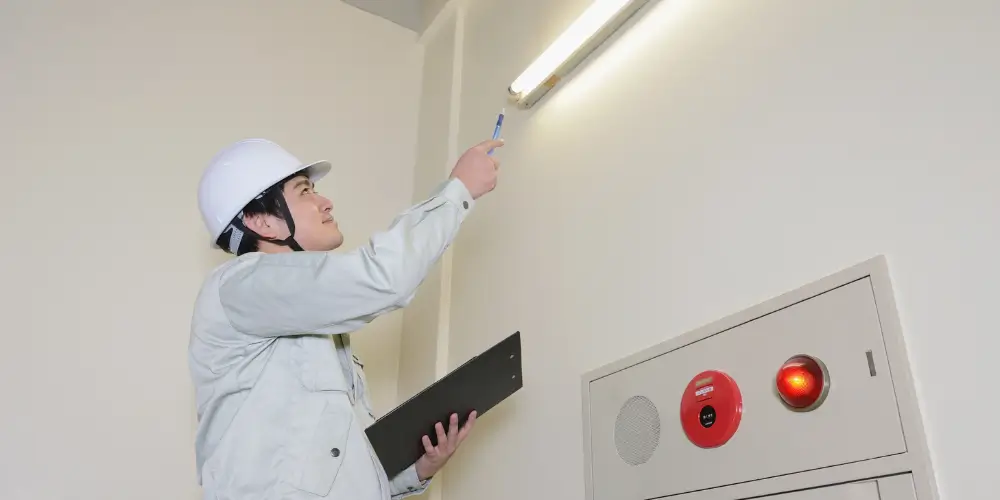
- Inspection schedules – advance notice of fire alarm tests, elevator checks, or common-area repairs.
- Facility availability – short updates when amenities, parking areas, or laundry rooms are temporarily closed or reopened.
Crafting Clear, Calm Messages During Emergencies
When an emergency unfolds, how a landlord communicates can either steady residents or add to the chaos. On social media, clear, calm language reassures people that they are not facing the situation alone. A steady tone free of blame, speculation, or dramatic wording helps residents feel protected and included.
Effective posts briefly state what is happening, what is being done, and what residents should do now. Short sentences, bullet points, and time stamps prevent confusion. Landlords should repeat key safety instructions across channels and acknowledge fears without amplifying them: “We’re here, we’re responding, and we’ll keep you updated.”
Closing each update with when to expect the next one helps residents feel held in a supportive, coordinated response.
Using Social Media for Routine Maintenance Reminders
Beyond emergencies, social media also supports the quieter, ongoing work of property upkeep. Landlords can use posts to remind residents about small tasks that protect everyone’s comfort and safety, reinforcing a sense that the property is cared for together, not alone. Social media turns routine maintenance reminders into shared care for a safer, more comfortable community
Effective routine reminders might include:
- Seasonal maintenance prompts, such as checking smoke detector batteries or preparing balconies before winter storms.
- Gentle nudges about HVAC filter changes, proper trash disposal, or drain care to prevent clogs and odors.
- Notice of upcoming inspections, gutter cleanings, or pest treatments, framed as community-wide tune‑ups.
- Monthly “housekeeping highlights” summarizing simple actions residents can take to keep shared spaces clean, quiet, and welcoming.
Consistent, respectful reminders help residents feel included in maintaining their shared home.
Visual Content: Photos, Videos, and Stories That Inform, Not Alarm
Visual content on social media can reassure tenants when it focuses on calm, clear messaging instead of worst-case scenarios. By showing straightforward photos, brief videos, or simple stories of routine checks and improvements, landlords can inform without creating anxiety. This section explains how to use visual posts that show what is being done, why it matters, and how tenants benefit without sounding alarming.
Show, Don’t Scare
In an era of constant scrolling, effective landlord content leans on calm, clear visuals instead of fear-driven posts. Residents want to feel part of a steady, cared‑for community, not a crisis zone. Visual storytelling can quietly show that their homes are looked after and that everyone’s safety matters.
Landlords can “show, don’t scare” by sharing visuals that:
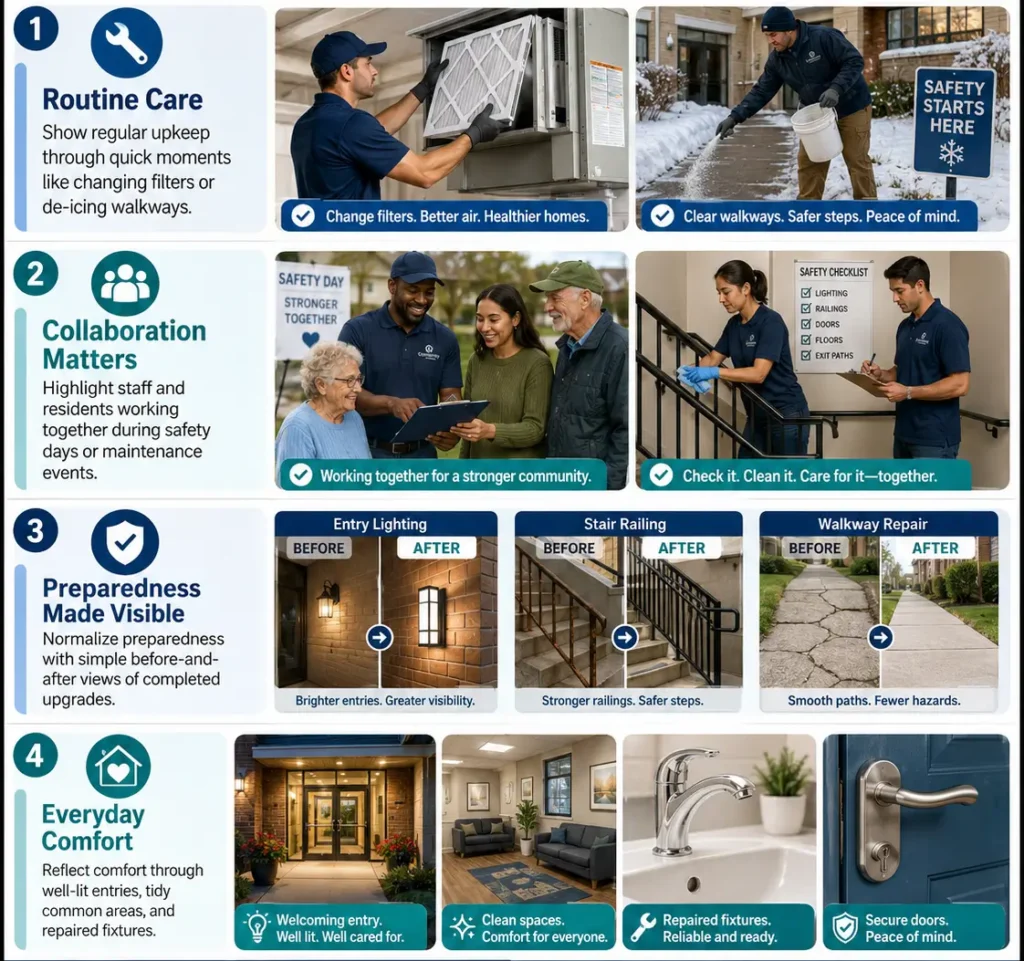
This approach reassures residents they belong in a responsible, attentive community.
Clear, Calm Visual Messaging
Steady, reassuring visuals work best when they are planned with clear, calm messaging in mind. When landlords share safety or maintenance updates, visuals should feel like an invitation into a well-cared-for community, not a warning sign. Simple photos of tidy hallways, repaired fixtures, or labeled emergency exits help residents see that they are part of a place where people look out for one another.
Short videos can walk residents through changes: how to use a new entry system, where to find fire extinguishers, or what to expect during scheduled repairs. Gentle lighting, steady camera work, and clear captions reinforce a sense of order. Consistent colors, fonts, and logos help residents immediately recognize these posts as trustworthy guidance.
Coordinating Social Posts With Email, Text, and On-Site Notices
Effective landlord communication requires more than a single post; it depends on aligning social media updates with email, text, and on-site notices so residents receive the right information at the right time.
By coordinating timing and choosing channels based on urgency and reach, landlords can make certain critical announcements are seen quickly while routine updates are still accessible. Consistent messaging across platforms then reinforces trust, reduces confusion, and creates a coherent communication experience for tenants.
Aligning Channels and Timing
Across a busy rental portfolio, social media works best when it is synchronized with every other channel residents see. Alignment helps residents feel informed, included, and respected, no matter how they choose to receive updates. Landlords can plan messaging so each platform reinforces the same community-focused story.
A simple structure supports consistent timing and tone:
- Plan a monthly communication calendar tying social posts to email, text, and lobby notices.
- Use similar headlines and visuals across channels so residents instantly recognize related messages.
- Schedule social posts to appear shortly after emails and texts, offering reminders without overwhelming residents.
- Archive key posts in pinned feeds or highlights, mirroring information available on bulletin boards and printed flyers.
Prioritizing Urgency and Reach
When multiple channels are available, landlords must match each message to the tool that delivers it fastest and to the most residents. For urgent issues gas leaks, water shutoffs, severe weather text alerts and email should lead, with social media supporting visibility and reassurance. Residents feel safer when they see quick, decisive action.
For time-sensitive but less critical matters elevator repairs, parking changes, short-term noise social posts can go out alongside email, while printed notices reinforce the message for those less online. On-site notices in lobbies, elevators, or mailrooms help include residents who prefer offline communication.
Consistent Messaging Across Platforms
In practice, residents trust communication more when every channel tells the same story in the same way. Consistent messaging helps neighbors feel they are part of a coordinated community, not left guessing which update is correct.
To build this sense of unity, a landlord can:
- Create one master message and adapt it for social media, email, text, and lobby or elevator notices without changing facts or tone.
- Use the same timing so no group hears important safety or maintenance news days later.
- Standardize visuals and subject lines (icons, colors, wording) to signal “official building update.”
- Log every announcement what was sent, where, and when—to verify alignment and quickly correct any inconsistencies.
Encouraging Tenant Engagement Without Losing Professional Distance
Landlords who use social media effectively must balance approachability with clear professional boundaries to foster healthy tenant engagement. A friendly, inclusive tone invites tenants to comment, ask questions, and share concerns, yet posts should remain focused on property matters safety, maintenance, amenities, and community updates.
Clear guidelines help. Pages can outline acceptable topics, respectful language expectations, and response hours. Using neutral, consistent wording “Thank you for raising this” or “Please submit a work order so we can help” shows care without becoming overly personal. Group features, such as building-specific forums, can encourage neighbors to support one another, while the landlord remains a steady, professional presence. By modeling respectful interaction, landlords help tenants feel heard, valued, and secure within shared community spaces.
Measuring What Works: Analytics, Feedback, and Adjustments
How can a landlord tell if social media efforts are actually supporting property goals rather than just generating noise? Measuring outcomes helps them build a community that feels informed, safe, and respected. Instead of guessing, they can track clear signals that posts are useful and welcome. Track what truly matters so social updates strengthen resident trust, safety, and everyday living.
Key areas to watch include:
- Reach and impressions – Are safety and maintenance updates consistently appearing in tenants’ feeds?
- Engagement rates – Do residents like, comment, or share posts that impact their daily lives?
- Message and form completion – Are more tenants using links or forms to report issues promptly?
- Resident feedback – Do surveys, polls, and direct comments show tenants feel heard and better connected?
These indicators guide ongoing adjustments so communication remains relevant and trusted.

Simple Systems to Keep Your Social Updates Consistent and Compliant
To keep their social media presence both steady and safe, landlords benefit from a simple structure that guides what they post and when.
A basic posting calendar helps maintain consistent communication with tenants and prospects without last‑minute scrambling. Paired with routine compliance checks before publishing, this system reduces the risk of legal missteps or platform violations.
Creating a Posting Calendar
With countless tasks already demanding attention, a simple posting calendar helps a landlord’s social media presence run on autopilot instead of impulse. A calendar lets residents know when to expect safety reminders, maintenance tips, and building updates, creating a steady rhythm that feels reliable and inclusive.
A practical calendar can be built around recurring themes:
- Weekly safety reminder (e.g., fire alarms, entry security, seasonal risks).
- Bi‑weekly maintenance spotlight (e.g., plumbing care, heating use, ventilation).
- Monthly “what’s coming” post outlining inspections, repairs, or upgrades.
- Quarterly community‑focused message reinforcing shared standards and care.
Compliance Checks Before Posting
Before any update goes live, a landlord benefits from a quick compliance check that protects both residents and the rental business. A simple, repeatable system helps every message feel safe, respectful, and aligned with housing rules. First, they confirm that posts avoid discriminatory language and follow fair housing guidelines, especially when describing amenities, eligibility, or resident groups. Next, they remove identifying details about residents, unit numbers, or security features that could expose someone to risk.
They also review accuracy: dates, times, and instructions for maintenance or safety actions must match official notices. Finally, they keep a short checklist policy, privacy, accuracy, tone and review it before posting. This habit builds trust and shows the community it is cared for and protected.
Frequently Asked Questions
How Often Should I Post Non-Maintenance Content Without Annoying Tenants?
They should share non-maintenance posts about once a week. This pace feels present but not pushy, letting tenants feel informed and included, while respecting their space, time, and attention within the community’s shared online environment.
Can I Showcase Renovations on Social Media Before Informing Current Tenants?
No. Respectful landlords inform current tenants first. Sharing renovations online before direct communication risks trust, anxiety, and rumors. Instead, brief tenants early, invite questions, then post highlights that reflect shared pride in the improved home and community.
Should I Respond to Tenant Complaints Posted on Public Review Sites?
Yes, they should respond thoughtfully, showing care and accountability. A calm, empathetic reply, inviting private follow‑up, signals respect for tenants, reassures current residents, and demonstrates to future renters that concerns are heard and taken seriously.
How Do I Handle Negative or Hostile Comments on Property Social Pages?
They answer calmly, acknowledge feelings, and invite private conversation. They avoid arguing, thank commenters for speaking up, restate community values, correct misinformation gently, document interactions, and, when necessary, hide or report abusive content to protect everyone’s sense of safety.
Can I Advertise Vacant Units on the Same Accounts Used for Safety Updates?
Yes, they can. A blended account works well when safety updates remain clear and consistent, while unit ads feel welcoming, community‑oriented, and transparent, helping current residents feel included rather than overshadowed by constant promotional posts.
Conclusion
Used thoughtfully, social media becomes a practical extension of a landlord’s communication toolkit rather than a distraction. By choosing appropriate platforms, setting clear boundaries, and focusing on timely safety and maintenance updates, property owners can support tenant confidence and cooperation. Coordinated messaging across channels, measured through basic analytics and feedback, helps refine the approach. With simple systems in place, landlords can maintain consistent, professional, and compliant communication that strengthens their rental community.