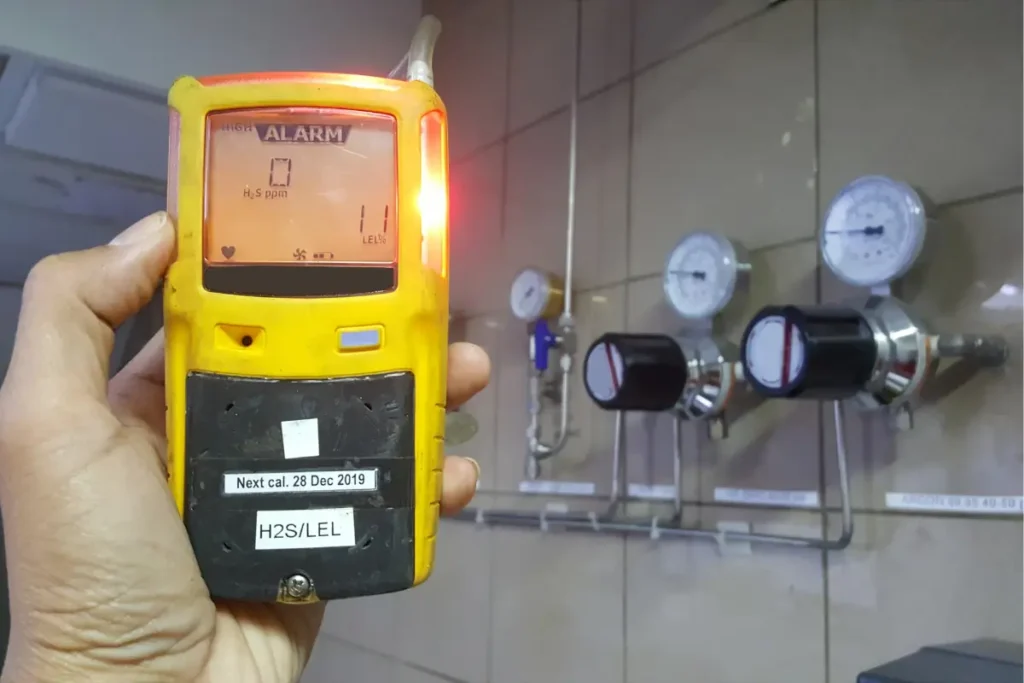
An HMO landlord avoids overwhelm by first understanding legal duties, licensing, and core safety areas: fire, gas, electrics, water, and structure. They then map all required checks and certificates into a simple annual calendar with reminders. Routine inspections, standard checklists, and a clear repairs system keep standards consistent. Digital folders and trackers centralise records, while clear communication reassures tenants. Over time, these repeatable systems can be refined, scaled, and made even easier to run.
Key Takeaways
- Map all legal HMO duties (licences, gas, electrical, fire, water) into a 12‑month calendar with reminders well before renewal dates.
- Standardise routine inspections using reusable checklists and layered frequencies: quick visual checks, monthly walkthroughs, quarterly reviews, and annual statutory tests.
- Centralise certificates, manuals, risk assessments, and maintenance logs in digital folders, using a simple tracker to record issues, actions, and outcomes.
- Create a clear repairs system with one reporting route, written response times, and a small, vetted team of reliable HMO‑savvy contractors.
- Communicate rules, inspection schedules, and safety procedures upfront to tenants, inviting feedback to refine processes and reduce conflict and confusion.
Table of Contents
Understanding Your Legal Duties as an HMO Landlord
Although every rental property is regulated, houses in multiple occupation (HMOs) impose a wider and stricter set of legal duties on landlords. In this situation, a landlord is expected to act as a steady organiser of a shared home, not just a rent collector. The law treats an HMO as a community where unrelated people live together and rely on the landlord to hold things together.
Understanding duties starts with knowing whether a property meets the HMO definition and, if relevant, the threshold for mandatory or additional licensing in the local area. From there, a landlord must internalise management regulations: who is responsible for what, how standards must be maintained, and how to evidence compliance through consistent, recorded routines.

Mapping Out All Essential Safety Checks and Certificates
In planning safety for an HMO, a landlord must first be clear on the core legal safety duties that underpin all required checks.
From there, they can identify the mandatory tests and certificates needed, such as gas, electrical, and fire safety documentation.
Finally, they should establish renewal cycles and a reliable tracking system to guarantee nothing expires unnoticed.
Core Legal Safety Duties
From the moment an HMO begins housing multiple unrelated occupants, a web of non‑negotiable safety duties applies. The law expects the landlord to act as a steady guardian of shared space, not a distant owner. Core duties focus on preventing avoidable harm, proving proactive management, and giving every resident confidence that their home is being actively safeguarded.
These duties sit beneath every specific test or certificate: they define the standard of care, not just the paperwork. They include keeping the building structure sound, fire escape routes clear, services in safe working order, and risks continuously reviewed.
| Core Duty Area | What It Really Means Day‑to‑Day |
| Fire and escape | Routes usable, doors working, alarms respected |
| Gas and electricity | Systems safe, responsive action on faults |
| Water and damp | Healthy supply, no hidden moisture or mould |
| Management and records | Issues logged, actions tracked, residents kept informed |
Mandatory Tests and Certificates
Core safety duties only become visible and verifiable once they are backed by the right tests, inspections, and certificates. An HMO landlord who understands this begins to see compliance not as red tape, but as the shared foundation of trust with their residents and their local authority.
They typically map out a clear list of essentials: gas safety checks and certificates from a Gas Safe engineer; electrical installation condition reports; portable appliance testing where provided; fire alarm and emergency lighting inspections; fire risk assessments; and, where relevant, legionella risk assessments.
Renewal Cycles and Tracking
Before long, an HMO landlord discovers that safety is not a one-off exercise but a series of recurring obligations, each with its own renewal date and evidential trail. Renewal cycles become the quiet rhythm behind a calm, confident operation. Instead of reacting to expiry emails, organised landlords map every certificate and inspection into a visible, shared schedule.
A simple tracker turns scattered tasks into a predictable pattern:
| Item Category | Typical Renewal Rhythm |
| Gas, Electrical, Fire | 1–5 years, plus interim visual checks |
| Licensing & Planning | 3–5 years, local authority dependent |
| Ongoing Maintenance | Monthly–annual, risk-based reviews |
When a landlord treats this tracker as the “team calendar” for safety, agents, contractors, and housemates feel part of the same protective structure.
Creating a Simple Annual Compliance Calendar
Often overlooked yet highly effective, a simple annual compliance calendar gives HMO landlords a clear framework for meeting recurring safety and maintenance obligations on time. It turns scattered dates into a shared, visible plan that everyone on the management team can rely on.
Landlords typically start by listing every legal and safety requirement across the year: gas safety checks, electrical inspections, fire alarm servicing, emergency lighting tests, PAT testing, licence renewals, and insurance renewals. Each is then plotted into a 12‑month view, with reminders set at least one to two months in advance.
Structuring Routine Inspections and Property Walkthroughs
Routine inspections and structured property walkthroughs form the backbone of ongoing safety and maintenance in HMOs. By setting a clear inspection schedule and using standardised walkthrough checklists, landlords can guarantee that critical areas are reviewed consistently and nothing important is missed.
Coordinating access and issuing proper notices then secures that inspections are carried out lawfully while minimising disruption to residents.
Setting an Inspection Schedule
Regular, well‑planned inspections form the backbone of safe and compliant HMO management, ensuring issues are identified before they become costly or dangerous. An intentional schedule also reassures residents that their home is cared for and that everyone shares responsibility for looking after the space.
A clear timetable usually layers different frequencies: brief visual checks weekly or fortnightly for common areas, monthly walkthroughs for condition and cleanliness, and deeper quarterly reviews to spot emerging maintenance patterns. Annual inspections align with statutory checks such as gas, electrical, and fire safety assessments.
Successful landlords publish this schedule in advance, explain its purpose, and stick to it. Predictability reduces anxiety, minimises disputes, and helps residents feel they are living in a well‑managed, stable household.
Standardised Walkthrough Checklists
During any HMO inspection, a standardised walkthrough checklist turns a general look‑around into a structured, repeatable process that captures what matters and ignores distractions. It allows every inspection to follow the same rhythm, so nothing depends on memory or mood.
A good checklist moves systematically: external areas, common spaces, kitchens, bathrooms, then bedrooms and escape routes. For each zone, it highlights essential safety and maintenance points: fire doors, alarms, ventilation, damp, locks, lighting, cleanliness, and wear on high‑use fixtures.
Coordinating Access and Notices
From the moment inspections are planned, coordinating access and notices becomes a logistical exercise as much as a compliance task. A clear rhythm of communication helps residents feel respected, not intruded upon. The HMO manager maps out inspection dates early, then layers in notice periods, preferred times, and room-by-room access so nobody feels singled out.
A simple visual plan can anchor this shared routine:
| Stage | Who’s Involved | What Residents See/Feel |
| Draft schedule | Manager | Clear yearly pattern |
| Pre‑notice | Manager → Everyone | Inclusive, non‑accusatory email |
| Individual check | Manager → Roomholder | Personal consideration |
| Day reminder | Manager → Everyone | Predictable, calm expectation |
| Follow‑up | Manager → Everyone | Closure and mutual appreciation |
Done consistently, access arrangements signal that safety is a collective effort, not a top‑down demand.
Setting Up a Streamlined Repairs and Maintenance System
In any HMO, a streamlined repairs and maintenance system underpins both tenant safety and legal compliance. A clear structure reassures residents that issues will be handled fairly and promptly, helping them feel secure and respected in their shared home. Landlords benefit from fewer crises, better records, and a calmer relationship with everyone in the property.
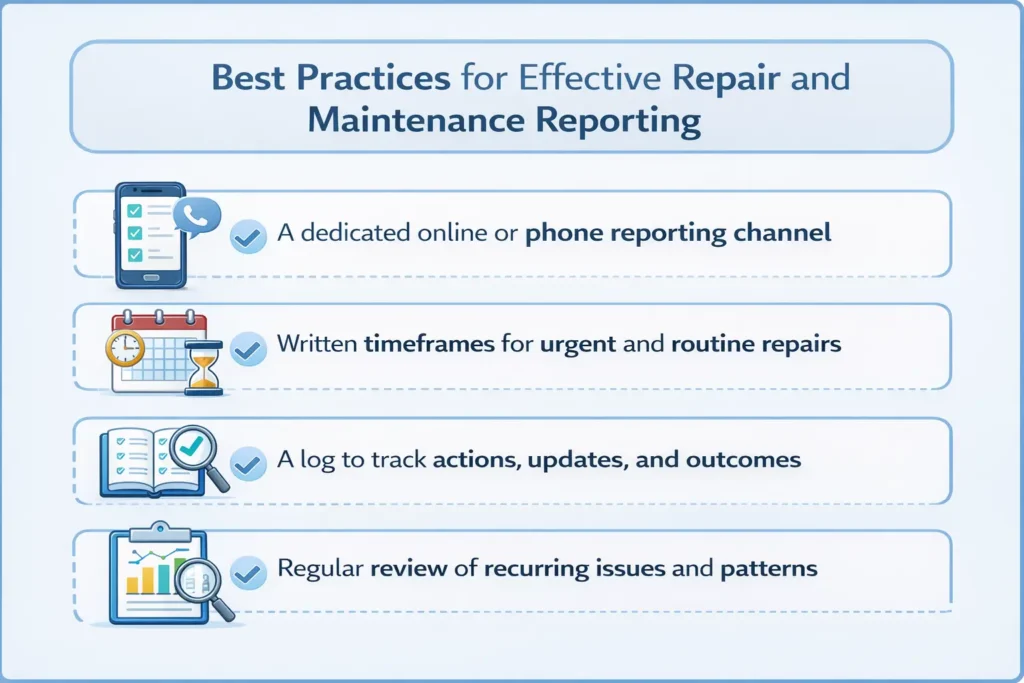
A practical system usually includes a single reporting route, simple response rules, and consistent tracking. Residents understand exactly how to raise concerns; the owner always knows what is outstanding and what has been completed.
Key elements might include:
Working Effectively With Contractors and Managing Costs
A clear repairs system only works if the people carrying out the work are reliable, competent, and fairly priced. Successful HMO owners tend to build a small, trusted circle of contractors who understand shared living and respect both budgets and residents.
They start by checking references, qualifications, insurance, and HMO experience, then agree clear scopes of work, response times, and payment terms. Written quotes, not vague estimates, are the norm.
To manage costs, they compare at least three quotes for new contractors, but stay loyal to those who prove consistent and honest. They communicate expected standards respectfully, invite feedback from contractors, and review prices annually. In doing so, they create a stable team that protects both the property and the community.
Using Digital Tools and Checklists to Stay Organised
Often the difference between a smoothly run HMO and a chaotic one is the quality of its systems, and digital tools now sit at the centre of those systems. Robust digital systems turn HMO management from firefighting into a predictable, low-stress routine for everyone involved
When landlords use simple apps and structured checklists, safety and maintenance stop feeling like isolated tasks and become part of a calm routine. Shared tools also help everyone feel they are contributing to the same standard of care.
Well-organised HMO operators often rely on:
- Cloud-based calendars that flag gas, electrical, and fire-safety renewal dates
- Task-management apps with recurring jobs for inspections and servicing
- Digital property folders storing certificates, manuals, and warranties in one place
- Standardised maintenance checklists that can be reused across multiple HMOs

Communicating Safety and House Rules Clearly to Tenants
Why do some HMOs feel orderly and safe while others drift into confusion and conflict? Often, the difference lies in how clearly safety expectations and house rules are communicated. Successful HMO owners treat rules as a shared agreement, not a list of punishments. They explain why each rule exists protecting sleep, privacy, and safety so tenants understand the benefit to the whole household.
Clarity starts at viewing and move‑in: written house rules, fire procedures, and emergency contacts are presented, talked through, and signed. Owners then reinforce them with welcome packs, hallway notices, and occasional reminders in group chats. Language stays respectful and inclusive, emphasising “how we live well together,” which makes tenants more likely to cooperate, speak up early, and protect the home.
Reviewing, Refining, and Scaling Your HMO Systems
Over time, even well‑designed HMO safety and management systems degrade unless they are actively reviewed and improved. A thoughtful landlord treats reviews as routine “health checks” that keep both the property and community strong. Regular audits of inspections, certificates, and maintenance logs reveal gaps before they become shared problems.
Refinement follows naturally. Feedback from tenants and contractors is welcomed, not feared, because it strengthens trust and a sense of home. Simple tweaks clearer checklists, shorter response times, better handovers make everyone feel more secure and included.
To scale these systems across multiple HMOs, landlords standardise what works:
- Shared templates and checklists
- Centralised digital records
- Scheduled review meetings
- Consistent KPIs for safety and service
Frequently Asked Questions
How Can I Budget Long Term for Major HMO Refurbishments or Upgrades?
They budget long term by creating a sinking fund, ring‑fencing a monthly percentage of rent, using a 5–10 year planned maintenance schedule, securing quotes early, reviewing annually, and sharing projections with their supportive HMO management community.
What’s the Best Way to Handle Tenant-Caused Damage Versus Normal Wear and Tear?
They distinguish damage from wear by using clear check‑in reports, photos, and an agreed inventory. Fair, written house rules, transparent deductions, and calm conversations help everyone feel respected, protected, and part of a well‑cared‑for shared home.
How Should I Coordinate Safety Planning When Rooms Are on Rolling Tenancies?
They should create a shared safety calendar, schedule regular whole-house checks, and standardise room inspections at move‑in, mid‑tenancy and move‑out, ensuring everyone understands procedures through clear guides, group messages, and inclusive house meetings.
What Insurance Policies Are Most Suitable for Multi-Occupancy Properties?
They usually benefit from specialist HMO landlord insurance, including buildings, landlord contents, public liability, loss of rent, legal expenses, and employers’ liability if staff are involved ensuring shared protection and peace of mind for everyone in the property.
How Can I Train Staff or Agents to Follow My HMO Systems Consistently?
They can train staff by creating simple step‑by‑step checklists, role‑playing real scenarios, and holding brief, regular refreshers. Shared dashboards, buddy systems, and celebrating small wins together build consistency, accountability, and a strong, connected team culture.
Conclusion
By approaching HMO safety and maintenance as a structured system rather than a series of emergencies, landlords can reduce overwhelm and risk. Clear legal understanding, planned inspections, and a straightforward compliance calendar keep obligations under control. With reliable contractors, digital tools, and consistent tenant communication, issues are identified early and handled efficiently. Over time, these processes can be refined and scaled, allowing HMO landlords to protect their investment while providing a safe, well-managed home.