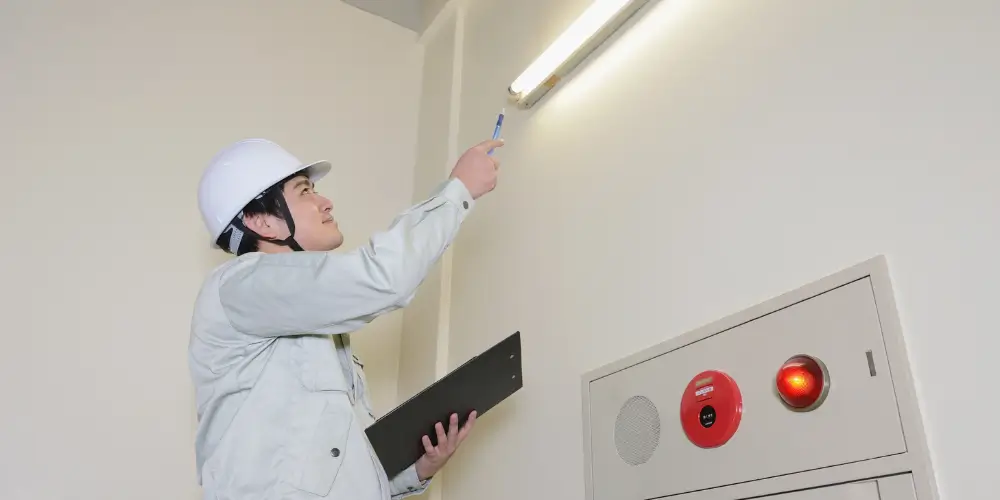
Preparing for property inspections by mortgage lenders or insurers means showing the home is safe, sound, and well maintained. Inspectors focus on roof condition, drainage, structure, electrical and plumbing, and basic safety features like railings and alarms. Owners should fix obvious leaks, damaged steps, loose handrails, and blocked gutters, and service HVAC systems. Organized records of repairs, permits, and insurance also help. Those who want better loan terms or insurance pricing can benefit from understanding the full inspection process.
Key Takeaways
- Confirm basic safety and habitability by testing alarms, securing railings, clearing exits, and fixing obvious leaks, water stains, or exposed wiring before the inspector arrives.
- Tidy the property and ensure full access to attic, basement, electrical panel, HVAC units, water heater, and exterior so inspectors can see all key systems.
- Address common exterior red flags: clean gutters, direct downspouts away from the foundation, check roof for obvious damage, and repair loose steps, decks, or railings.
- Organize documents deed, insurance policy, permits, and maintenance/repair records for roof, HVAC, plumbing, and electrical—to demonstrate proper ownership and regular upkeep.
- Review the inspection report carefully, correct factual errors, and be prepared to complete or document required repairs that may affect loan approval or insurance terms.
Table of Contents
Understanding Why Lenders and Insurers Require Inspections
Why do lenders and insurers look so closely at a property before approving a loan or policy? They want to confirm the home is safe, stable, and worth the amount being borrowed or insured. Lenders and insurers inspect closely to ensure your home is safe, stable, and truly worth the investment An inspection helps them see whether the property can stand the test of time and everyday living. Lenders use inspection findings to judge if the home is adequate collateral. If major defects exist, the home may not fully secure the loan.
Insurers review similar details to understand how likely it is that they will need to pay out a claim. In both cases, inspections protect everyone involved. When a property is sound, owners, lenders, and insurers can enter the relationship with shared confidence and clearer expectations.
Types of Property Inspections You Might Encounter
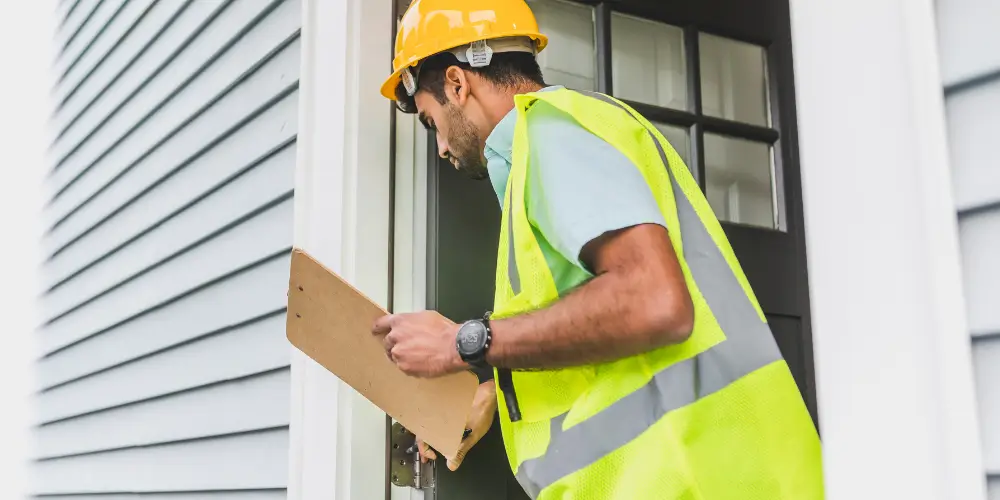
Because lenders and insurers rely so heavily on inspection results, it helps to understand the different types of property inspections that may be ordered. A standard property condition inspection reviews structure, roof, interior systems, and safety features. An appraisal inspection focuses on market value while still noting visible defects. Some homes also receive specialized inspections, such as roof, HVAC, electrical, or plumbing evaluations, when age or prior damage raises questions.
For certain regions, pest and termite inspections are common, confirming that wood-destroying insects are under control. In higher‑risk zones, flood, wind, or wildfire–related inspections may be requested to gauge exposure. Together, these inspections create a shared picture of the home’s condition so everyone owner, lender, and insurer can proceed with greater confidence.
How Inspections Affect Loan Approval and Insurance Terms
Although inspections may feel routine, their findings can decisively shape both loan approval and insurance options. Lenders rely on inspection reports to confirm that a property safely secures the loan amount.
If major concerns appear, approval can be delayed, the loan amount reduced, or extra conditions imposed, such as required repairs before closing. Insurers use the same information to determine eligibility, premiums, and coverage limits. Properties viewed as well‑maintained and lower risk are more likely to qualify for standard coverage and more favorable pricing.
When issues arise, insurers may apply higher deductibles, exclude certain perils, or require proof of remediation. Understanding these dynamics helps borrowers and owners feel prepared, included in the process, and better able to anticipate next steps.
Common Issues Inspectors Are Trained to Spot
During a standard inspection, trained professionals follow a systematic approach to uncover hidden defects that could affect safety, value, or insurability. They look for patterns that suggest whether a property fits within a responsible, well‑cared‑for community of homes.
Outside, they focus on grading and drainage that might channel water toward the foundation, worn or missing roof materials, damaged gutters, and signs of chronic moisture around the structure. They note cracked or deteriorating driveways, loose railings, unstable steps, and compromised decks or balconies.
Inspectors also pay close attention to exterior walls, windows, and doors for gaps, rot, damaged seals, or signs of past water intrusion. Visible termite tubes, wood‑boring insect damage, or neglected exterior maintenance are flagged as potential risk indicators.
Preparing the Interior: Safety, Structure, and Cleanliness
Inside the home, inspectors look past décor and furnishings to evaluate whether rooms are safe, structurally sound, and reasonably clean. They pay attention to working smoke and carbon monoxide alarms, clear exits, secure stair railings, and the absence of exposed wiring or tripping hazards.
They also note cracks in walls or ceilings, uneven floors, sticky doors, or windows that no longer open properly details that can hint at movement or moisture. A lived‑in home is expected, but clutter that blocks access to key areas, strong odors, or visible mold can raise concern.
Exterior Checks: Roof, Drainage, and Property Boundaries
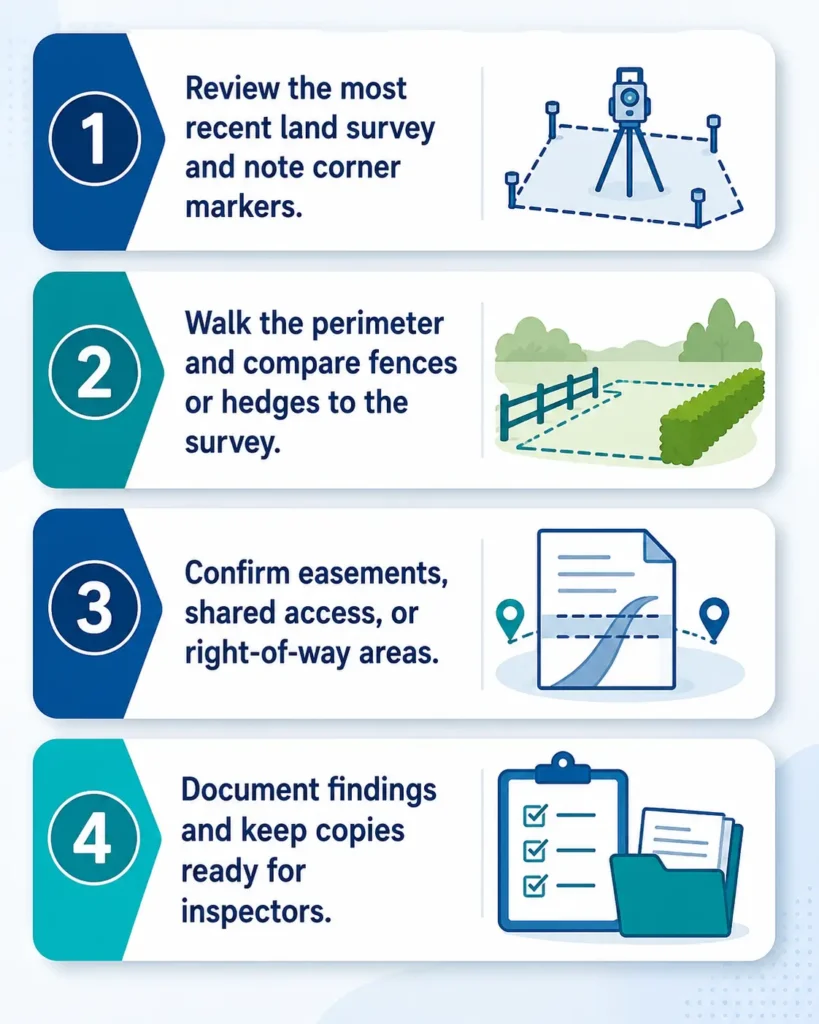
A thorough exterior review begins with evaluating the roof’s condition, including visible wear, damage, or missing materials. From there, the inspection shifts to evaluating drainage systems to guarantee water is directed away from the structure and foundation. Finally, verifying property boundaries confirms that fences, structures, and landscaping are correctly placed within the legal lot lines.
Assessing Roof Condition
How can a property owner quickly gauge whether a roof is sound or showing early signs of failure?
A lender or insurer will quietly note whether the roof appears cared for and consistent with neighborhood standards. Observers look for missing or curled shingles, cracked tiles, sagging lines, or uneven surfaces that may hint at structural stress. They also check flashing around chimneys and vents, watching for gaps or corrosion that invite moisture.
Owners who wish to feel confident and “inspection‑ready” often walk the perimeter from the ground, using simple reference points:
- Uniform shingle or tile color, without dark patches
- Straight rooflines without dips or waves
- Secure flashing around penetrations and edges
- Clear, intact sealant at joints and passages
Evaluating Drainage Systems
Beyond the roof itself, exterior drainage reveals whether water is being quietly directed away from the structure or allowed to threaten it. Inspectors typically look for a system that works in harmony: gutters, downspouts, grading, and surface drains all guiding water off the home and yard.
They observe whether gutters are securely attached, clear of debris, and sloped so water flows instead of pooling. Downspouts are checked to guarantee they discharge several feet from the foundation or into properly installed extensions or splash blocks.
Ground around the building should slope gently away, without low spots where water collects. French drains, swales, or yard drains, when present, are noted for clear inlets, intact grates, and signs that water moves through them rather than stagnating.
Verifying Property Boundaries
While water management determines how a property functions, clearly defined boundaries determine what the buyer is actually getting. During inspections, lenders and insurers expect owners to know exactly where the property begins and ends, reducing the risk of disputes with neighbors or the municipality. Verifying boundaries helps everyone feel secure about shared fences, driveways, and outdoor spaces. Owners are encouraged to compare the legal description, survey, and what is physically visible on site.
Clear, respectful conversations with neighbors further support a sense of community, not conflict.
Documentation to Have Ready for the Inspector
Proper documentation can greatly streamline a property inspection and prevent delays. Owners should have essential ownership documents organized, such as deeds, titles, and any relevant permits or certificates. In addition, up-to-date maintenance and repair records help demonstrate the property’s condition and any recent work performed.
Essential Ownership Documents
An inspector’s visit runs more smoothly when ownership and compliance documents are organized and immediately available. When these records are clear and easy to access, owners demonstrate responsibility and respect for the shared standards lenders and insurers rely on. It also reassures everyone that the property’s legal standing is transparent and secure.
Essential ownership documents typically include:
- Property deed or title, confirming legal ownership and how the property is held
- Current mortgage statement, showing lender details and outstanding balance
- Homeowner’s insurance policy declarations page, outlining coverage and insured parties
- Photo identification matching the named owner, supporting identity verification
Maintenance and Repair Records
Keep a clear trail of maintenance and repairs, and the inspection becomes more factual than subjective. An organized record shows the property has been cared for over time, reassuring lenders and insurers that they understand its true condition. Owners benefit from keeping invoices, receipts, and contractor warranties for major systems such as roofing, HVAC, plumbing, and electrical work. Dates, scope of work, and contractor details help the inspector verify that issues were handled properly.
A simple binder or digital folder labeled by system or year allows quick access during the visit. Including service logs for regular tasks like furnace servicing, gutter cleaning, or pest control demonstrates consistent stewardship. These records place the owner alongside professionals, speaking a shared, evidence-based language about the home.
Handling Repairs and Maintenance Before Inspection Day
Before inspection day arrives, addressing necessary repairs and maintenance helps prevent minor issues from becoming inspection red flags. Owners who take time to fix visible problems send a message of care that lenders and insurers recognize. They do not need perfection; they look for a property that feels consistently looked after.
Key actions often include:
- Fixing leaks, damaged caulking, or water stains that might suggest hidden structural or moisture issues.
- Repairing or replacing broken railings, steps, locks, and handrails to demonstrate commitment to safety.
- Servicing heating, cooling, and ventilation systems, and replacing filters to show systems are reliably maintained.
- Touching up paint, securing loose tiles, and clearing debris so the property appears stable, lived‑in, and responsibly managed.
What Happens During the Inspection Visit
During the inspection visit, the inspector systematically checks key areas of the property, including structural elements, systems, and visible surfaces. They typically follow a set process, noting any issues, safety concerns, or signs of wear. Throughout the visit, the inspector documents findings with written notes, standardized checklists, and often photos to support their final report.
Typical Inspection Activities
From the moment an inspector arrives, the visit follows a fairly structured sequence of activities designed to document the property’s condition and compliance. The inspector typically introduces themself, explains the purpose of the visit, and confirms access to interior and exterior areas. This helps occupants feel included rather than scrutinized.
They usually walk the exterior first, noting rooflines, drainage, and visible maintenance. Inside, they look at overall cleanliness, safety features, visible systems, and signs of damage or neglect. Personal décor is not evaluated; the focus remains on habitability and risk.
Common activities include:
- Walking the perimeter and checking entry points
- Observing walls, ceilings, and floors for visible issues
- Glancing at major systems for obvious concerns
- Noting general upkeep that reflects responsible ownership
How Inspectors Document Findings
Inspectors methodically record what they see so their conclusions are clear, traceable, and defensible. During the visit, they typically move room by room, entering notes into a digital checklist that mirrors lender or insurer standards. They capture measurements, materials, and visible conditions, anchoring each note to a location in the home.
Photographs play a central role. Inspectors take wide shots to show context and close‑ups to document specific issues or strengths, such as recent upgrades. Many use time‑stamped photos and GPS tags. They also log conversations with the owner, especially clarifications about repairs, permits, or maintenance routines. All of this is organized into a structured report, helping everyone involved feel the evaluation was careful, fair, and respectfully documented.
Communicating With Inspectors and Answering Questions
Establishing clear, professional communication with inspectors helps keep the inspection efficient and objective. The owner or occupant is not expected to “sell” the property, but to be a reliable source of information. Inspectors typically appreciate concise answers, honest disclosure, and respectful interaction that recognizes everyone is working toward a fair assessment. Owners can prepare by briefly noting recent repairs, known issues, and locations of key systems.
During the visit, they may:
- Greet the inspector, confirm the scope, and ask how long the inspection will take
- Offer factual context on features or upgrades without exaggeration
- Answer questions directly, admitting when they do not know an answer
- Step back to let the inspector work, remaining available for follow‑up questions

Dealing With Adverse Inspection Findings or Valuation Gaps
Confronting adverse inspection findings or a lower‑than‑expected valuation often triggers concern, but these outcomes can usually be managed with a structured response.
A homeowner can begin by calmly reviewing the report, highlighting factual errors, outdated assumptions, or missed upgrades. Gathering evidence recent photos, invoices for improvements, comparable sales, and contractor opinions helps them feel supported rather than singled out.
They may then approach the lender or insurer through the established appeals process, presenting corrections and additional documentation. Where issues are accurate, prioritising safety, structural, or moisture problems reassures lenders and insurers that the owner is a responsible partner in risk. Throughout, seeking guidance from brokers, advisers, or community forums can reduce isolation, demonstrating that many others successfully navigate similar setbacks.
Long-Term Strategies to Keep Your Property Inspection-Ready
Over time, a homeowner who treats inspection readiness as routine home care, rather than a last‑minute scramble, avoids most surprises. Long-term readiness rests on steady, simple habits that signal care, safety, and pride of place. A regular rhythm of checking key systems helps the property feel consistently “inspection‑ready,” not hurriedly staged.
They can:
- Schedule seasonal walk‑throughs to examine roofing, gutters, grading, and exterior paint, noting issues before they spread.
- Maintain annual service records for HVAC, plumbing, electrical, and major appliances as proof of responsible stewardship.
- Keep shared areas driveways, walkways, entries clear, well‑lit, and welcoming to visitors and inspectors alike.
- Build a modest yearly repair and upgrade budget, prioritizing items that improve both safety and long‑term value.
Frequently Asked Questions
Can I Be Denied a Mortgage Purely Based on an Inspection Report?
Yes, a mortgage can sometimes be denied solely due to an inspection report showing serious structural, safety, or code issues. Still, many lenders invite repairs, renegotiation, or conditional approval, supporting buyers in finding a safer, workable path forward.
How Do Inspections Differ Between Investment Properties and Primary Residences?
Inspections differ because investment properties face tighter scrutiny on safety, habitability, rentability, and long‑term costs, while primary residences focus more on basic structural soundness and livability, reflecting lenders’ view of families’ homes versus income‑producing community assets.
Will an Inspection Affect My Property Taxes or Local Assessments?
No, lender or insurer inspections usually do not directly change property taxes. However, if inspections reveal improvements or unpermitted work, local assessors might later reassess value. Owners stay connected by sharing updates early with local tax authorities.
Can I Challenge or Appeal an Inspector’s Findings, and How?
Yes, owners can usually challenge inspection findings by requesting clarification, submitting photos or contractor reports, and, if needed, filing a formal written appeal within stated deadlines, following local procedures and keeping all communication calm, documented, and collaborative.
Are There Privacy Limits on What Inspectors Can Document or Photograph Inside My Home?
Yes. Inspectors are generally limited to documenting areas relevant to the inspection’s purpose and safety. They should avoid personal items, closed drawers, or private documents, and must follow consent, local privacy laws, and any agreed-upon restrictions.
Conclusion
By understanding inspectors’ goals, common red flags, and how findings affect lending and insurance decisions, owners can approach property inspections calmly and strategically. Simple preparation addressing safety issues, maintaining cleanliness, and documenting repairs helps avoid surprises and supports favorable outcomes. When problems arise, informed communication and prompt remediation protect both financing and coverage. Over time, consistent maintenance keeps a property inspection-ready, preserving value, reducing risk, and strengthening the owner’s position with lenders and insurers.